
It’s 10 PM on a Sunday. You’re sitting on your couch, laptop burning your thighs, staring at a spreadsheet of 200 "prospects" you scraped from LinkedIn. You know you need to send these emails to hit your pipeline goals for next month, but the thought of writing 200 personalized openers makes you want to throw your MacBook out the window.
So, you do what every tired founder does: you write one "good enough" template, use a few bracketed variables like {{first_name}} and {{company_name}}, and hit send on a sequence.
Three days later, you have zero replies, one "unsubscribe" in all caps, and your domain health is tanking. This is the reality of founder-led sales in 2026. The old playbook of high-volume, template-based outreach isn't just dying, it's actively killing your brand.
If you’re looking for the best AI SDR, you aren't just looking for a faster way to send spam. You’re looking for a way to replicate your best, most thoughtful research at a scale you can’t achieve alone.
The Great Divide: Template Bots vs. Research Agents
The market for AI SDRs has split into two very different camps.
On one side, you have the "Template Bots." These tools are essentially legacy email sequencers with a thin layer of GPT-4 slapped on top. They take your basic template and "rewrite" it slightly so every email looks different to a spam filter. They are cheap, fast, and almost entirely useless for high-ticket B2B sales.
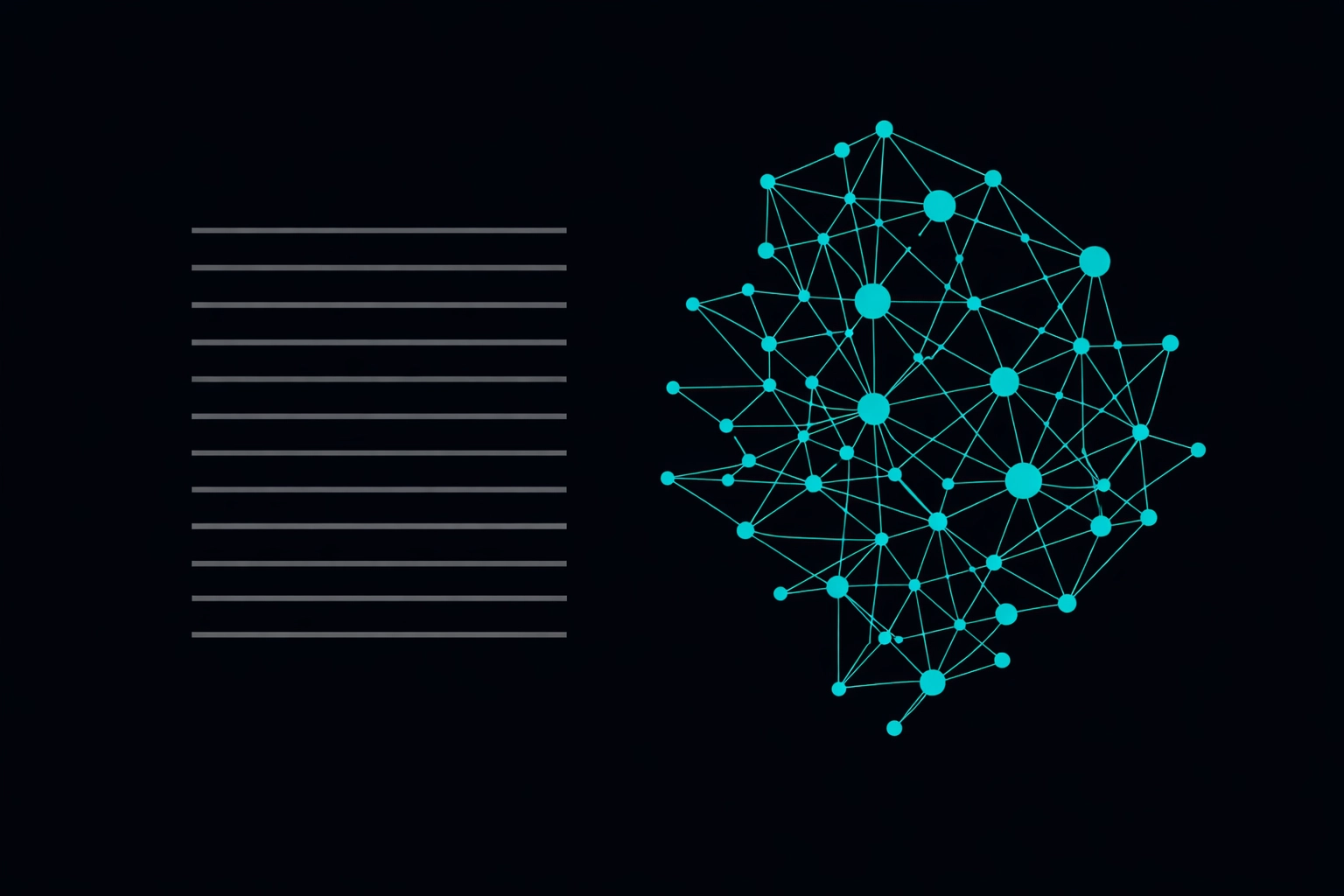
On the other side, you have "Research Agents." These tools don’t start with a template; they start with a person. They look at a prospect’s LinkedIn activity, their company’s recent 10-K filings, their tech stack, and their recent hiring trends. Only after they understand why that person might need your product do they write a single word.
In 2026, the gap between these two is massive. Research-driven outreach is currently seeing a 250% higher conversion rate than template-based garbage. When you choose an AI SDR, you are choosing which side of that gap you want to live on.
Why Research Wins (and Templates Get You Blocked)
Think about your own inbox. You can spot an AI-generated template from a mile away. It usually starts with something weird like, "I saw your company is doing great things in the [Industry] space!"
It’s vapid. It’s lazy. And as a founder, it’s insulting.
The best AI SDR doesn't lead with flattery; it leads with a signal. A signal is a verifiable fact that suggests a pain point.
- Signal: The company just hired a new VP of Sales. (Pain: They need to build pipeline fast).
- Signal: They just dropped a specific tool from their tech stack. (Pain: They are looking for a better alternative).
- Signal: They just raised a Seed round. (Pain: They have capital but no time).
When an AI SDR does deep research, it can mention these things naturally. It transitions from "I want to sell you something" to "I noticed this specific challenge you're facing, and I might have a fix."
If you’re evaluating tools, ask them how they handle "Signal Hierarchy." If they can’t explain how they prioritize a recent job post over a generic "congrats on the new role" message, keep looking.
The $80k Trap: Why Hiring a Human SDR is a Seed-Stage Gamble
Most founders think the logical step after "doing it myself" is "hiring an SDR." But let’s look at the math.
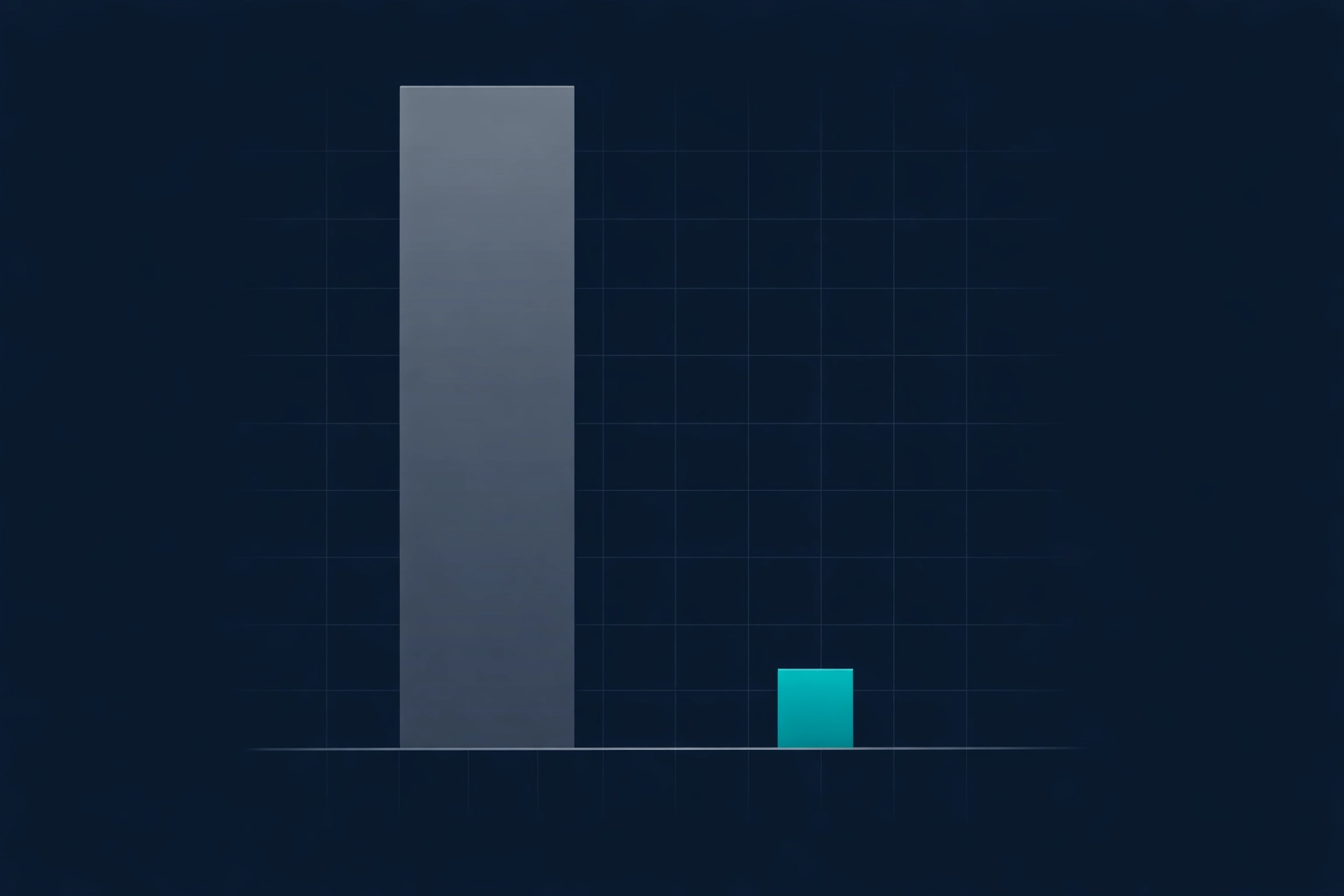
A human SDR in 2026 costs between $80,000 and $120,000 in total loaded costs (salary, benefits, tech stack, commissions). It takes them three months to ramp up. During those three months, you’re paying full price for zero results. Even once they are "ramped," a human can realistically only do high-quality research on about 20-30 prospects a day.
If they burn out and quit after six months, which is the industry average, you’ve spent $50k+ to get back to square one.
The AI SDR vs. human SDR debate isn't really a debate for solo founders or seed-stage teams. It’s a survival decision. An AI SDR doesn't have "bad Mondays." It doesn't get bored of doing research. And it costs a fraction of a human salary while doing the work of five people.
Key Criteria for Choosing the Best AI SDR
If you’re currently shopping, don’t get distracted by flashy dashboards. Focus on these four pillars:
1. Human-in-the-Loop (The "Safety Switch")
Never buy an AI SDR that demands full autonomy on day one. Your brand is too valuable to let a bot go rogue. You need a tool that allows for a "Human-in-the-Loop" workflow. This means the AI does the research and writes the draft, but you (or a team member) hit "approve" before it goes out.
This is the safest way to automate outbound without ruining your domain reputation. Over time, as the AI learns your voice and your ICP (Ideal Customer Profile), you can loosen the reins. But starting with 100% automation is a recipe for a "Mark as Spam" disaster.
2. Multi-Channel Capability
If an AI SDR only sends emails, it’s not an SDR; it’s a mail merge tool. In 2026, buyers are everywhere. Your AI needs to be able to find a prospect on LinkedIn, engage with their posts, and then send a relevant email. The best results come from a multi-channel approach where the AI coordinates touches across different platforms.
3. "Bring Your Own Key" (BYOK) Model
This is a technical but crucial point. Some platforms bake the cost of AI (like OpenAI’s GPT-4) into their monthly subscription and then throttle your usage. The more transparent, and often more affordable, model is bringing your own API keys. You pay the platform for the workflow and the research, and you pay OpenAI or Anthropic directly for the compute. This gives you total control over your costs and the quality of the "brain" you're using.
4. Quality Over Quantity Metrics
Be wary of any tool that brags about how many thousands of emails it can send. Sending 10,000 emails is easy. Booking 10 high-quality demos with people who actually have a budget is hard. Look for a tool that prioritizes meeting-to-opportunity conversion. If the AI is booking meetings with "tire kickers" who don't fit your ICP, it’s actually costing you money by wasting your time.
Objection Handling: "Isn't AI Outbound Just More Spam?"
We get this question a lot. If everyone uses AI to write emails, won't everyone's inbox just become an unreadable mess?
The answer is yes: for the people using templates.
But for the founders using research-first AI, the opposite is true. AI actually allows you to be more human at scale. It allows you to mention that the prospect’s company just opened an office in Austin, or that they were interviewed on a specific podcast last week.
Spam is defined by irrelevance. If an email provides value and shows you’ve done your homework, it’s not spam: it’s a business proposition. The AI SDR mistakes that kill reply rates almost always stem from a lack of research, not the fact that an AI wrote the sentence.
The Reality of the "Founder-Led" Phase
If you’re a solo founder or a seed-stage company, you’re in a tough spot. You need a pipeline to get to your next round of funding, but you need funding to hire a sales team. It’s a classic chicken-and-egg problem.
You could spend $8k a month on a lead gen agency, but most of them are just running a playbook designed to extract your retainer while sending low-quality volume. Or you could spend $500 a month on a research-first AI SDR and keep your hands on the steering wheel.
For smart founders, the choice is usually about taking back their time. You shouldn't be spending your Saturdays writing cold emails. You should be building your product and talking to customers who are already in the funnel.

Why Ramen is the Choice for Research-First Founders
We built Ramen because we were those founders. We were tired of the "spray and pray" tools that treated our prospects like numbers on a spreadsheet.
Ramen doesn't just "generate text." It acts as a dedicated research assistant that lives inside your browser. It finds the signals that matter, maps them to your unique value proposition, and drafts messages that actually sound like they came from you.
And because we believe in the human element, we built it with a strict "Human-in-the-Loop" philosophy. You are always the final filter. You control the tone, you control the volume, and with our BYOK model, you control the costs.
If you’re ready to stop wasting weekends writing cold emails and start building a pipeline that actually converts, it’s time to move past templates.
The best AI SDR isn't the one that sends the most mail. It’s the one that does the most work before the mail is even written.
Ready to see what research-first outbound looks like?
Check out how Ramen works.