

You set up your AI SDR with high hopes. Maybe you're tired of spending Sunday nights crafting cold emails, or you're sick of agencies burning through your domains with spray-and-pray tactics. Three weeks later, your reply rate is sitting at 0.8%, your inbox is full of angry unsubscribe requests, and you're wondering if AI SDR tools are just expensive ways to annoy prospects.
Here's the truth: most founders make the same seven mistakes when implementing AI SDR systems. These aren't small tweaks: they're fundamental errors that kill reply rates and damage your brand. The good news? They're all fixable if you know what to look for.
Your AI SDR sends 500 emails and books 12 meetings. Sounds great until you realize those meetings are with $500/month prospects when you need $50K deals to hit your numbers.
Most AI SDR platforms optimize for vanity metrics: emails sent, meetings booked, response rates. But activity doesn't equal revenue. One franchise client achieved an 18% reply rate but was burning their sales team's time on tiny prospects while missing enterprise opportunities.
The fix: Track quality metrics over quantity. Monitor reply sentiment, meeting-to-close rates, and actual revenue per lead source. If your AI is booking meetings with prospects who can't afford your minimum deal size, adjust your targeting criteria: not your email volume.
Your AI responds to every inquiry within 30 seconds, whether it's 2 AM or prime business hours. The energy level is identical, the tone is robotic, and prospects report the outreach feeling "creepy" and "too eager."
Timing matters as much as message quality. Responding instantly to a LinkedIn message sent at midnight screams automation. Using the same enthusiastic tone for every interaction ignores basic human psychology.
The fix: Build variable response timing into your AI system. Add delays that mirror human behavior patterns. Test different response windows and energy levels based on prospect behavior, company size, and communication channel.

Your AI just sent a cold email to the CTO your founder has been cultivating for 18 months. Or it congratulated a prospect on their "growth" the same week they announced layoffs. These aren't minor embarrassments: they're deal killers.
AI SDR systems treat all leads equally unless you explicitly tell them otherwise. They don't understand the difference between a warm enterprise prospect and a cold SMB lead. Without strategic guardrails, they'll torpedo your most important relationships.
The fix: Create account exclusion lists for strategic prospects. Implement approval workflows for enterprise contacts. Give your AI context about existing relationships, deal stages, and companies where timing is critical. Manual oversight on high-value accounts isn't a limitation: it's smart business.
Your AI keeps resurging dead leads marked as poor fits. It sends demo requests to existing customers. It reaches out to contacts at companies you've deliberately paused for relationship reasons.
Most AI SDR tools lack real-time visibility into your CRM, existing conversations, and internal notes. They operate on incomplete data, causing embarrassing mistakes that damage credibility with prospects who already know your company.
The fix: Ensure your AI has access to up-to-date CRM data, including deal stages, contact notes, and suppression lists. Set up automated data sync between your outreach platform and sales tools. Create clear processes for flagging accounts that should be excluded from AI outreach.
Your AI SDR sends 1,000 emails per day from a fresh domain with no warmup period. Within a week, your emails are landing in spam folders and your sender reputation is trashed across your entire email program.
Many founders treat AI SDR tools like magic email cannons: more volume equals more results. But sending capacity means nothing if your emails don't reach inboxes. One bad AI implementation can damage deliverability for your entire company.
The fix: Start with proper domain warmup. Gradually increase send volumes over 4-6 weeks. Monitor deliverability metrics religiously: inbox placement rates, spam complaints, and domain reputation scores. If your AI tool doesn't provide deliverability monitoring, find one that does.
Beyond these core mistakes, founders consistently fail at AI SDR implementation in predictable ways. They skip the testing phase, assuming AI will work perfectly from day one. They don't establish clear approval processes for different prospect segments. They forget that AI amplifies your existing outbound process: if your messaging and targeting were weak before, AI will just send weak messages faster.
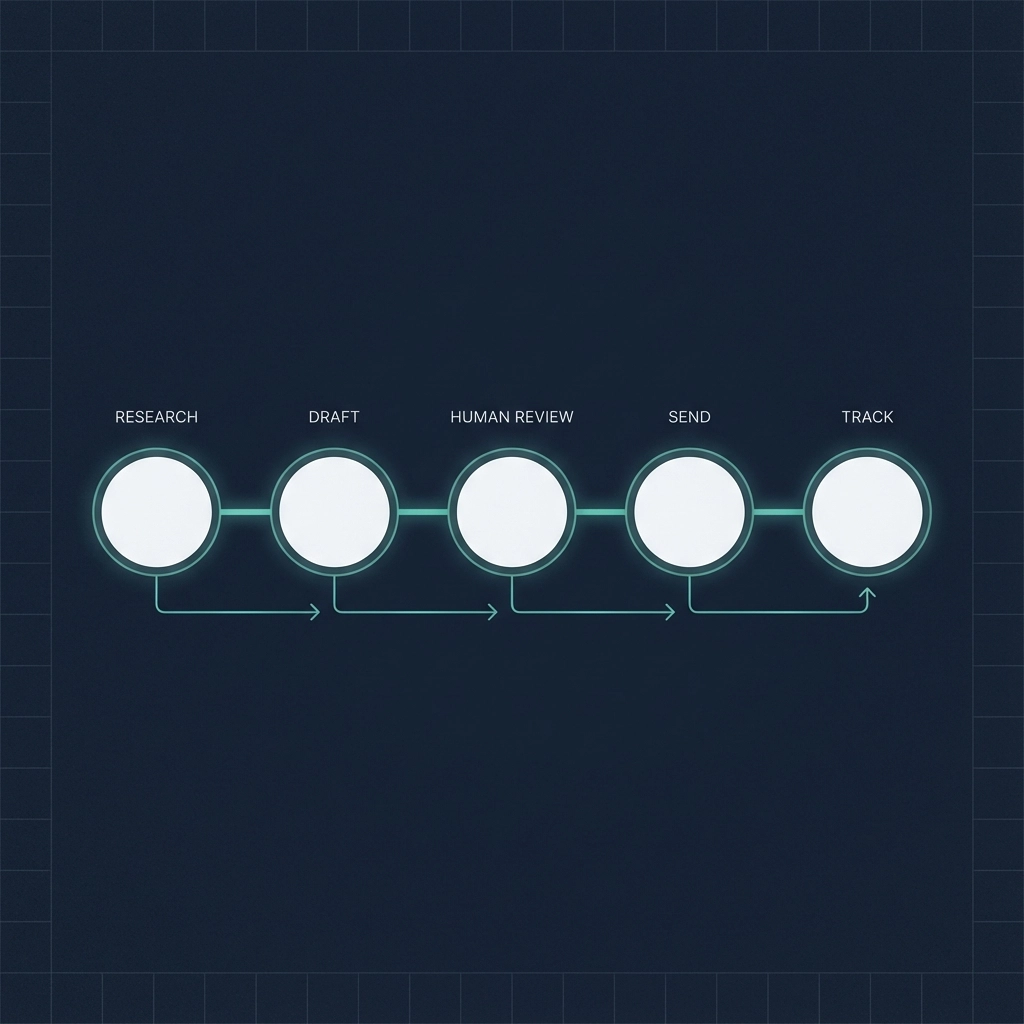
The most successful AI SDR implementations treat the technology as a research and drafting assistant, not a fully autonomous sales machine. Smart founders maintain human oversight on first touches, especially for enterprise prospects or strategic accounts.
Here's what most AI SDR platforms won't tell you: they're designed to maximize their metrics, not yours. They want high email volumes, quick setup times, and impressive demo numbers for their case studies. Your brand reputation and long-term customer relationships are secondary concerns.
Most tools lack the granular controls needed to avoid these mistakes. They offer basic templates and simple personalization but miss the strategic thinking required for effective outbound. They're built for scale, not for the nuanced approach early-stage founders need to protect their brand while building pipeline.
The reality: If you can't afford to hire and train an experienced SDR, you probably can't afford to let AI run your entire outbound program without oversight. The middle ground: AI that helps you research prospects and draft emails while keeping you in control of what gets sent and when: is often the better path.
The founders who succeed with AI SDR tools start small and build systematically. They run side-by-side tests comparing AI outreach to their manual process for at least 60 days. They track actual conversions, not just engagement metrics. They treat the first 90 days as an experiment, not a silver bullet.
They also understand that AI SDR tools work best when you bring your own API keys and control your own costs. Platforms that bundle email sending with AI functionality often prioritize their margins over your deliverability. You want maximum control over your email infrastructure, especially when you're building relationships that could determine your company's future.
Most importantly, they never lose sight of the fact that early-stage outbound is about building relationships, not blasting messages. AI can help you research prospects more thoroughly and craft better initial outreach, but it can't replace the human judgment needed to know which prospects deserve white-glove treatment and which ones can handle a more automated approach.
If you're tired of AI SDR tools that promise automation but deliver damaged relationships, Ramen takes a different approach. You approve every email before it sends, bring your own API keys to control costs and deliverability, and get deep prospect research instead of template personalization. Book a demo to see how human-in-the-loop AI can build pipeline without burning your brand.