
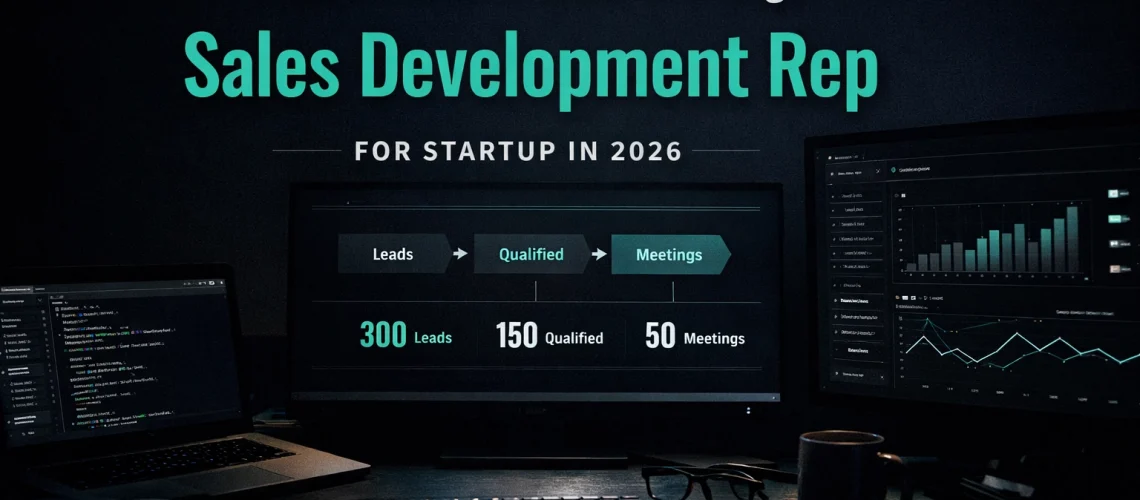
It’s 11:00 PM on a Sunday. You’ve just finished a grueling week of product updates and investor updates, but your calendar for next week looks like a desert. No demos. No discovery calls. Nothing but internal meetings.
So, you do what every founder does: you open LinkedIn, stare at a list of prospects, and start manual outreach. By midnight, you’ve sent ten emails. You’re exhausted, and you know deep down that ten emails won't move the needle.
This is the moment most founders decide it’s time to hire a Sales Development Rep (SDR). You think, "If I could just pay someone $60k to $80k a year to do this for me, I could finally focus on the product."
But in 2026, hiring your first SDR is the most dangerous move a seed-stage startup can make. The old playbook, hiring a hungry grad, giving them a LinkedIn Sales Navigator seat, and telling them to "hustle", is a fast track to burning $100,000 of your remaining runway.
Before you post that job description, let’s talk about the reality of the SDR role in 2026 and why the math usually doesn't add up for solo founders.
The $120,000 Gamble
When you hire a sales development rep for a startup, you aren’t just paying a salary. You’re buying a very expensive experiment.
Let’s look at the "loaded cost" of a human SDR in 2026.
- Base Salary: $65,000 – $80,000
- Benefits & Payroll Tax: $15,000
- Tech Stack: $1,000/month (CRM, data providers, sequencing tools, AI research tools)
- Commission: $10,000 – $20,000 (if they actually perform)
Total? You’re looking at $100,000 to $120,000 per year.
For a seed-stage company, that is a massive chunk of your capital. And here’s the kicker: the average tenure of an SDR is currently less than 15 months. It takes three months to ramp them up, and by the time they are actually productive, they are looking for an Account Executive (AE) promotion or a higher-paying gig at a Series B company.
If you make the wrong hire, you don’t just lose the money. You lose six months of market feedback. You lose the chance to find product-market fit because your "pipeline engine" was actually just a "cash incinerator."
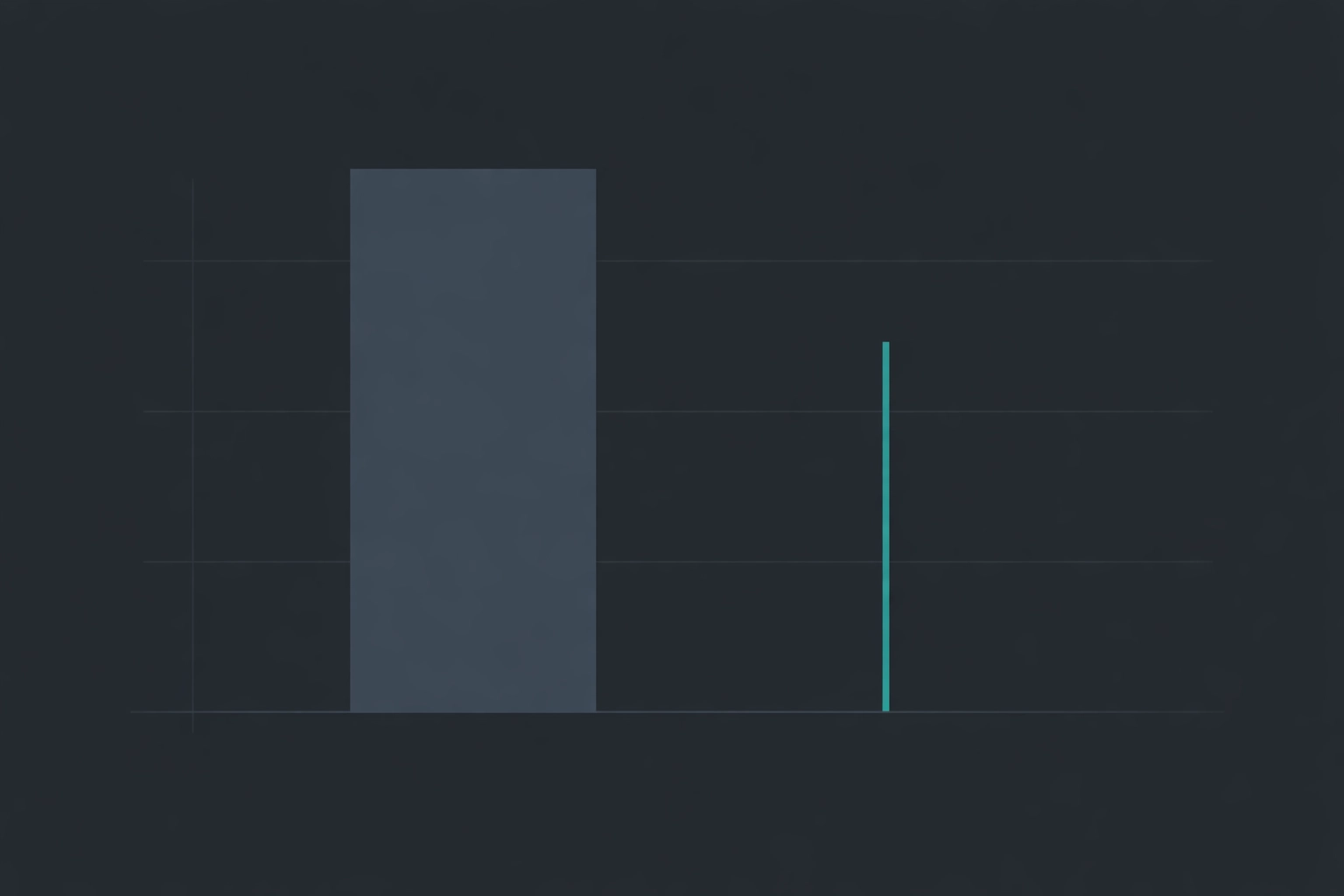
Visual: A minimal, dark-themed infographic comparing the annual cost of a human SDR ($120k) vs. an AI-driven stack ($6k).
Why Most SDR Hires Fail in the First 90 Days
The reason most early SDR hires fail isn't that the person is "bad at sales." It’s usually because the founder hasn’t done the work.
You cannot hire someone to solve a problem you haven’t solved yourself. If you don't know who your Ideal Customer Profile (ICP) is, what their specific pain points are, and which messaging actually gets a reply, an SDR won't find it for you. They will just automate your confusion.
In 2026, the bar for outbound is higher than it has ever been. Inboxes are guarded by AI filters. If your SDR is sending "I’d love to hop on a 15-minute call" emails to 50 people a day, they are going to get your domain blacklisted.
Outbound isn't hard because you're bad at sales; it's hard because you're the bottleneck. But hiring an SDR before you have a proven process just shifts the bottleneck from your time to your bank account.
If You Must Hire: The 2026 SDR Profile
If you’ve hit $1M ARR and you’re ready to scale a proven outbound motion, then yes, it might be time for a human hire. But the profile has changed.
In 2026, you shouldn't hire for "hustle." You should hire for Research Discipline.
An SDR’s job is no longer to click "send" on a sequence. Their job is to find the "trigger events" that make your product relevant right now.
- Did the prospect just get promoted?
- Did their company just launch a competing product?
- Did they mention a specific pain point in a recent podcast interview?
When interviewing, don't ask about their "cold calling records." Ask them to show you how they research a prospect. If their answer is "I look at their LinkedIn profile for two minutes," don't hire them. You need someone who understands how to personalize at scale without using generic templates.
The Skills Assessment
Don't rely on a resume. Give them a "homework" assignment:
- Give them a list of 5 companies.
- Ask them to find the right person to contact.
- Ask them to write a first-touch email based on a recent piece of news about that person or company.
If the email sounds like it was written by a person who actually cares about the recipient's problems, keep talking. If it sounds like a Mad-Lib, pass.
Visual: A sleek, minimal checklist for hiring an SDR: Research over volume, logic over script-reading, process over personality.
The Onboarding Trap
Founders often think that once the contract is signed, the work is over. In reality, your work has just doubled.
A new SDR needs a 30-60-90 day plan.
- Days 1-30: Product immersion. They should be able to demo the product as well as you can.
- Days 31-60: Process mastery. They should be running the outbound sequences you’ve already proven to work.
- Days 61-90: Optimization. This is where they start testing new angles.
If you don't have the time to sit with them every week and review their sent emails, they will default to low-quality volume. They will prioritize "activity metrics" (emails sent) over "results metrics" (qualified demos booked) because that’s what feels like work. This is one of the biggest AI SDR mistakes that kill reply rates, and humans make it just as often.
The Obvious Objection: "AI Can't Do What a Human Can"
We hear this all the time. "AI emails are spammy." "People want to talk to people."
You’re half right. People do want to talk to people… once they are on the demo. But at the prospecting stage, they just want their problems solved. They don't care if a human or an AI wrote the email that pointed out their website’s broken checkout flow: they just care that someone noticed.
The reality of 2026 is that a well-configured AI agent can do 10x more research than a human SDR ever could. While a human is spending 20 minutes reading an annual report, an AI is analyzing the last three years of the company's financial data, their competitors' recent hires, and the CEO's Twitter feed: all to write one sentence that proves relevance.
This is why many founders are realizing that 2026 is the year startups go AI-first. It’s not about replacing humanity; it’s about replacing the 40 hours a week of manual research and data entry that makes humans hate being SDRs.
The Middle Ground: Human-in-the-Loop
If you’re a seed-stage founder, you don't need an $80k-a-year SDR. You need a system that does the heavy lifting while you keep the control.
This is the "Human-in-the-Loop" model. You use an AI agent to handle the prospecting, the deep research, and the initial draft of the email. Then, you: the founder: spend 20 minutes a day reviewing and hitting "send."
This gives you the best of both worlds:
- Research-first outbound: Every email is hyper-personalized based on real-time data.
- Brand safety: You see every word before it goes out. No "hallucinations" or weird AI language reaches your prospects.
- Cost control: You aren't paying a full-time salary for a role that might not work yet.
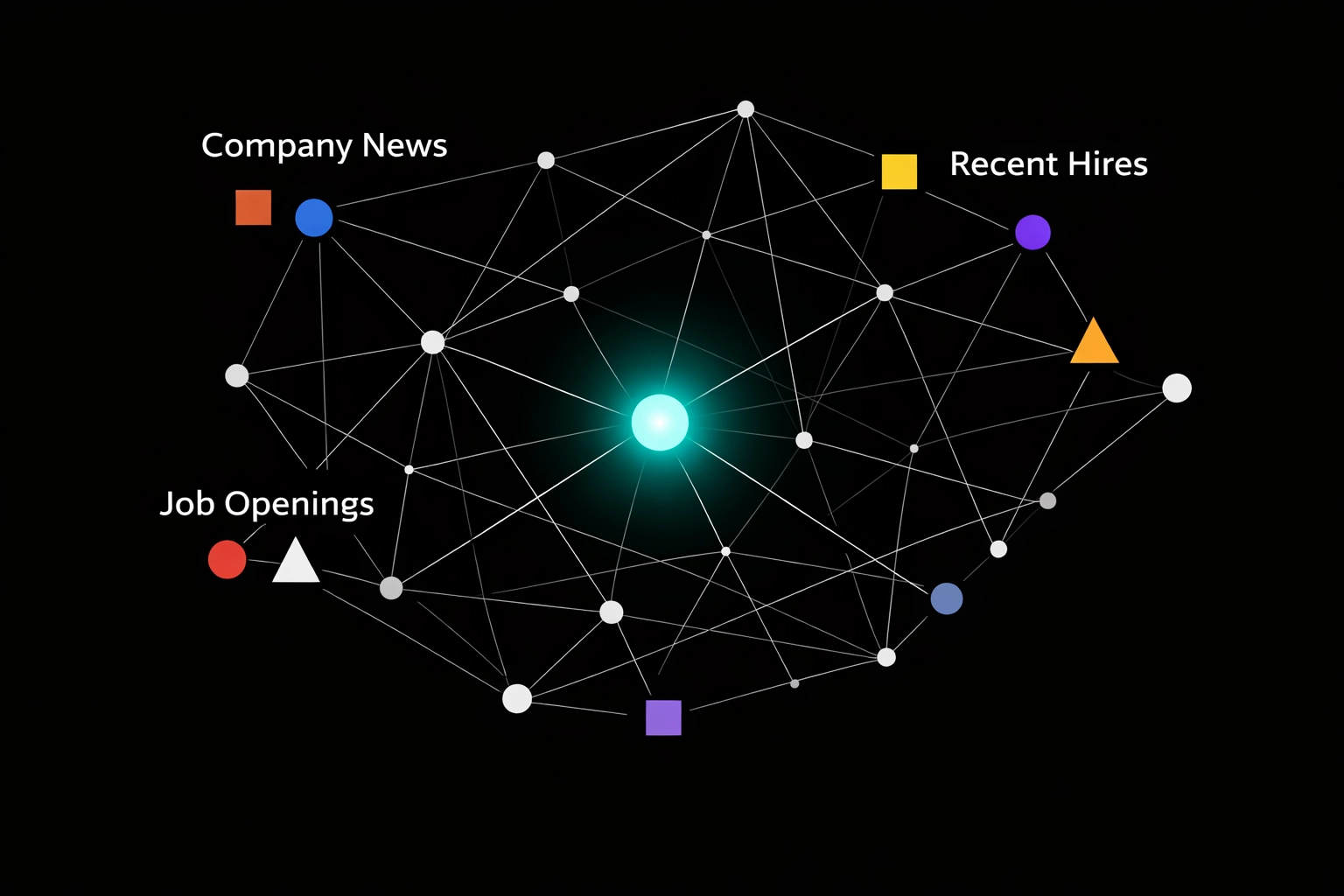
Visual: A dark, editorial-style graphic showing a human "approving" a stream of AI-generated insights.
When you compare the real SDR costs with simple math, the choice for an early-stage company becomes clear. Why spend $8k a month on a gamble when you can spend $500 a month on a system that works while you sleep?
Stop Wasting Your Sundays
The "founder-led sales" phase is inevitable, but it shouldn't be eternal. You shouldn't be manual-prospecting at midnight on a Sunday in 2026.
If your startup is at the stage where you need more pipeline but can't justify a $100k hire, you're exactly who we built Ramen for. We didn't build it to replace the "art" of sales; we built it to automate the "drudgery" of research.
Ramen acts as your research-first AI SDR. It doesn't just blast templates; it reads your prospects' news, their LinkedIn, and their company updates to write emails that actually get replies. And because we believe in "Human-in-the-Loop," you stay in the driver's seat. You bring your own API keys, you control the volume, and you approve the drafts.
Before you commit to a three-month hiring process and a six-figure salary, see how smart founders are choosing AI SDRs over human hires.
Take back your Sundays. Build your product. Let the AI handle the hunt.