
It’s Sunday night. You’re staring at a spreadsheet of 200 leads you haven't contacted yet because you were too busy fixing a bug or preparing a deck for a seed round. You think to yourself, "I just need someone to do this for me."
You look at Upwork or a specialized remote hiring agency. They promise "top 1% talent" in the Philippines or Latin America for $2,000 a month. It sounds like the perfect escape hatch. You hire them, give them a basic script, buy them a Seat on Apollo, and wait for the demos to roll in.
Three months later, you’ve spent $6,000 on salary and another $1,500 on tools. Your domain reputation is in the gutter because they sent 500 "Hey [First_Name]" emails a day to people who don't care. Your inbox is full of "Unsubscribe" and "Please stop" messages. And you’ve booked exactly zero qualified demos.
Hiring a remote SDR (Sales Development Representative) often sounds like a great way to scale founder-led sales. In reality, it usually results in managing low-quality outreach while burning the very domain you need to grow your business.
The hidden cost of managing remote talent
When you hire a remote SDR, you aren't just paying their salary. You’re taking on a second job: Sales Manager.
For an early-stage founder, time is the only resource more scarce than cash. Research shows that office-based reps take about 3.2 months to reach full productivity. For remote sales reps, that timeline nearly doubles to 6 months. If you are a seed-stage startup with 12 months of runway, you literally cannot afford to wait half a year for someone to figure out how to sell your product.
Then there is the management overhead. Without being in the same room, accountability becomes a massive gap. You have to monitor if they are actually following the process or just "quiet quitting" while working two other jobs. You have to spend hours every week on Zoom doing "coaching" sessions that feel like pulling teeth because they don't have the industry context you do.
Most remote SDRs at the lower price points are generalists. They don't understand your ICP (Ideal Customer Profile) deeply. They don't understand the nuances of your product. To compensate, they fall back on templates. And in 2026, templates are the fastest way to get your email marked as spam.

The "Domain Suicide" trap
The biggest risk isn't just the wasted salary; it’s the damage to your brand.
A remote SDR who is incentivized by "number of emails sent" rather than "quality of meetings booked" will always prioritize volume. They will scrape a list, upload it to a sequencer, and hit go.
Google and Outlook have become incredibly sophisticated at spotting this. When your remote rep sends 100 identical emails that get flagged as spam, your entire workspace domain is at risk. Once you’re on the blacklist, even your personal emails to investors or current customers will start landing in the junk folder.
Fixing a burned domain can take months. It's a high price to pay for "cheap" labor.
Research-backed personalization vs. templates
The reason your own outbound works (when you actually have time to do it) is that you know what you’re talking about. You look at a prospect’s LinkedIn, see they just hired a new VP of Engineering, check their latest product launch, and mention something specific in your first sentence.
That’s called research-first outbound.
Most remote SDRs won't do this because it’s hard. It takes 15-20 minutes to properly research a lead. If they’re trying to hit a quota of 50 emails a day, they simply don't have the time. So they use a "personalized" tag that says something generic like, "I saw you work at [Company_Name] and thought you'd be interested in…"
Prospects see right through this. It’s white noise.
If you want to actually get a reply from a busy executive, your email needs to prove you’ve done the work. You need to show you understand their specific pain points.
"Can AI really sound like me?" (The Human-in-the-Loop approach)
This is the number one objection founders have when they think about replacing a human SDR with an AI agent like Ramen. They’ve seen the "AI-generated" LinkedIn DMs that sound like a robot wrote them after a lobotomy.
But here is the truth: AI is actually better at research than a $20/hour remote SDR.
Ramen doesn't just "write an email." It navigates to the prospect's website, reads their "About" page, looks at their recent news, and checks their LinkedIn profile. It gathers all that data to build a context-rich draft.
The "Human-in-the-loop" model is our secret sauce. We don't believe in "set it and forget it" because that’s how domains get burned. Instead:
- AI does the heavy lifting: It researches every prospect and writes a 100% custom draft.
- You (the founder) stay in control: You spend 10 minutes a day reviewing the drafts.
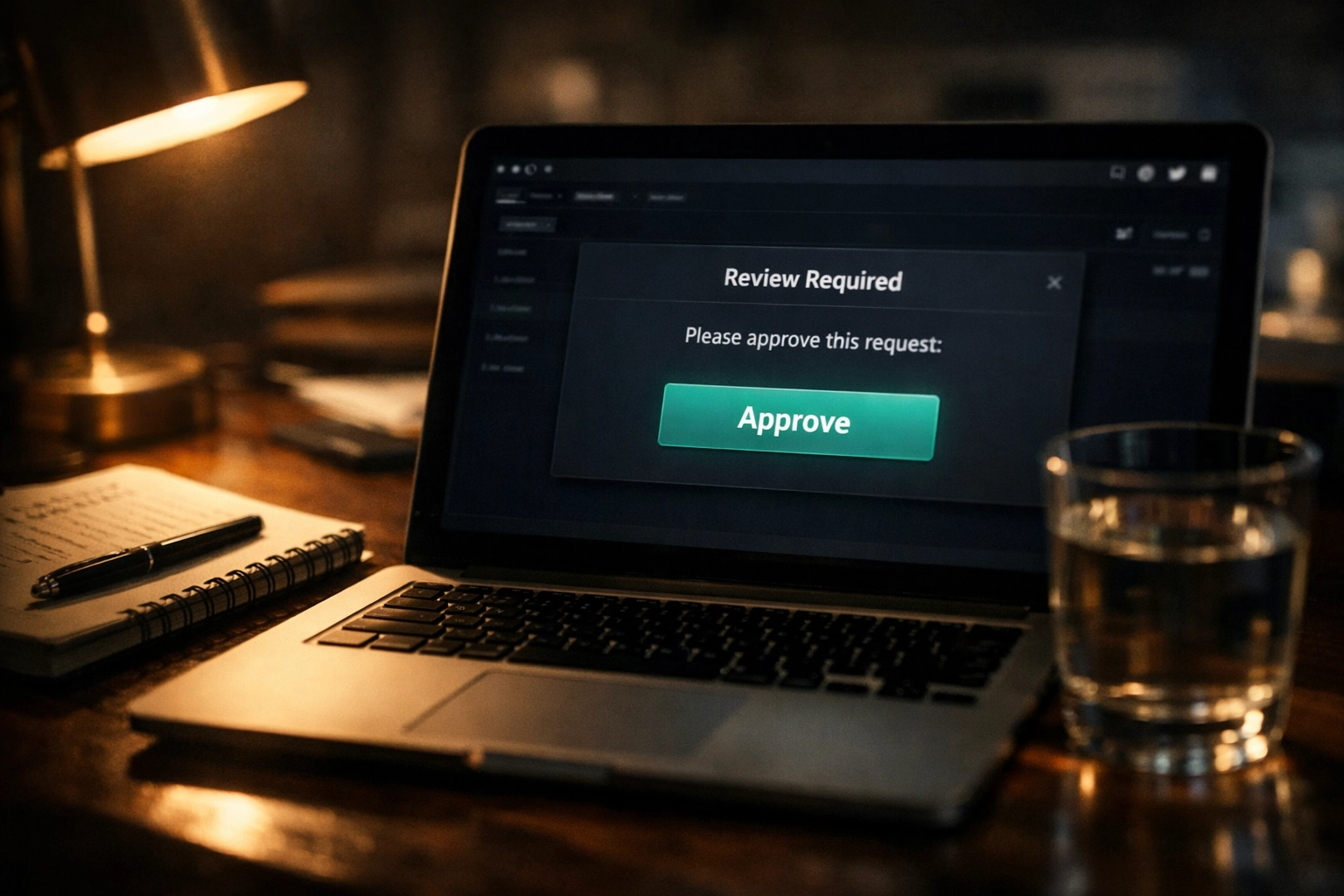
- Human touch: You can tweak a word, add a personal anecdote, or hit "Approve" and it sends.
You get the output of a top-tier SDR who spent all day researching, but it only takes 90% less of your time. You are still the voice of the company, but the AI is your tireless research assistant.
Comparing the math: Remote SDR vs. Ramen
Let’s look at the actual numbers for an early-stage founder.
Remote SDR Cost:
- Salary: $2,000 – $4,000/mo
- Sales Stack (Apollo, Clay, Instantly, etc.): $400 – $800/mo
- Management Time: 5-10 hours/week (Value: Priceless)
- Total Monthly Cost: $3,000+
Ramen Cost:
- Platform: $499/mo
- API Keys (BYOK): You only pay for what you use.
- Management Time: 1 hour/week.
- Total Monthly Cost: ~$600
For $499 a month, you get an AI agent that doesn't need to be onboarded for 6 months, doesn't get sick, and doesn't send "Hey [First_Name]" templates. You can see a more detailed AI SDR pricing breakdown to see how the math works for your specific scale.
Why "Bring Your Own Key" (BYOK) matters
Most "AI SDR" platforms lock you into their ecosystem. They charge you a massive markup on the data and the AI calls.
We don't do that. At Ramen, we use a BYOK model. You bring your own OpenAI or Anthropic keys. This means you have 100% transparency into your costs and you own your data. If you want to use GPT-4o for one campaign and a cheaper model for another, you can. You’re the founder; you should have control over your tech stack.
The "Chicken and Egg" problem of early-stage sales
You need a pipeline to raise your next round or hit breakeven. But you don't have the money to hire a US-based SDR ($80k+ base salary), and you don't have the time to manage a remote one.
This is exactly why we built Ramen. We wanted to help founders scale outbound without agencies or the headache of hiring before they are ready.
You shouldn't be spending your Sundays writing cold emails. But you also shouldn't be spending your Mondays fixing the mistakes of a remote rep who doesn't "get" your vision.
The alternative isn't just "using AI." It's using a research-first system that respects the prospect's inbox and your time.
Stop managing, start closing
If you’re currently looking at resumes for a remote SDR, stop. Ask yourself if you really want to be a manager right now, or if you just want more demos on your calendar.
If the goal is demos, you don't need a person; you need a process.
Ramen provides that process. It does the 100% research-based outreach that gets replies, while keeping you in the loop so you never lose that founder-led touch.
You can replace your SDR with an AI agent today and start seeing drafts in your inbox by tomorrow morning. No 6-month ramp-up. No burned domains. Just research-first outbound that actually works.
Ready to see how Ramen can give you back your Sundays? Check out our AI SDR agents and see how we help founders book more demos with less noise.