
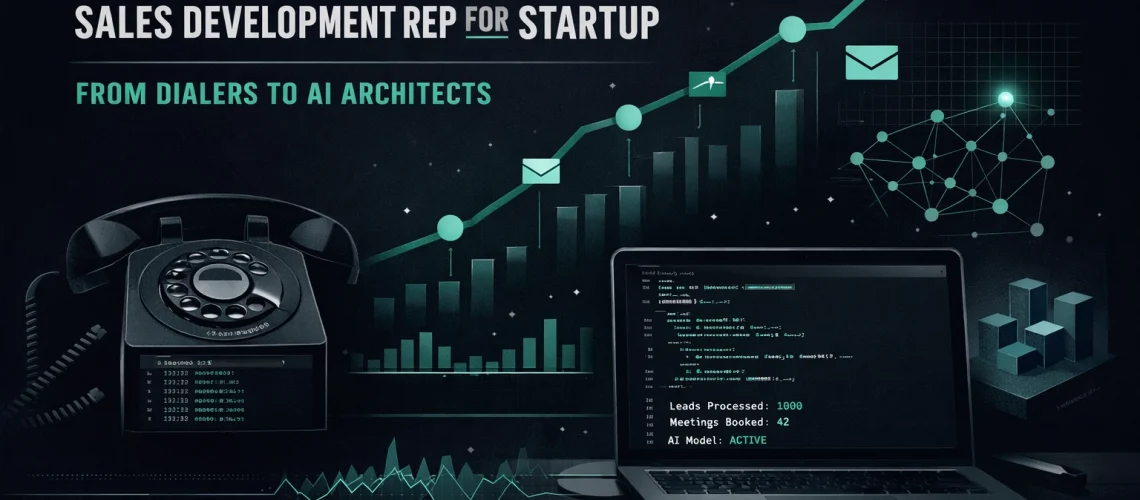
You know the pitch. Hire a sales development rep for startup growth. Pay them $45,000, plug them into a dialer, give them a script, and watch the pipeline fill up. Make 100 calls a day. Send 200 emails. Hit quota or get managed out.
That model worked in 2011. Maybe even 2018. But if you're still running that playbook in 2026, you're burning money and wondering why your reply rates are stuck at 0.8%.
The SDR role hasn't just evolved. It's been completely rebuilt from the ground up. And if you're a seed-stage founder trying to figure out whether to hire your first SDR or build outbound yourself, understanding this shift isn't optional anymore.
The End of the Cold-Call Era
The "Predictable Revenue" framework turned SDRs into productivity machines. The logic was simple: more outreach equals more pipeline. So companies hired entry-level reps, handed them a phone and a list, and measured success purely on volume.
100 dials per day. 50 emails. 10 LinkedIn messages. The numbers didn't lie, except they did.

What worked when inboxes weren't flooded and decision-makers still answered unknown numbers stopped working the moment everyone started doing it. By 2020, average cold email reply rates dropped below 1%. Cold call connect rates fell to 2-3%. The spray-and-pray model didn't scale, it just created noise.
For startups, this was especially painful. You don't have the budget to hire someone at $80-120K loaded cost and wait three months for them to ramp. You can't afford to burn domains testing templates. And you definitely can't stomach watching your SDR send 1,000 generic emails that get 3 replies and zero meetings.
The era of the "smile and dial" SDR ended when buyers stopped responding to volume and started ignoring anything that looked mass-produced.
Why 'Research-First' is the New Gold Standard
Modern SDRs operate completely differently. They're not dialers, they're researchers, strategists, and relationship architects. And they command six-figure salaries because the job requires domain expertise, not just persistence.
Here's what changed: personalization became non-negotiable. Not the fake kind where you swap in a company name and call it custom. Real personalization, the kind that proves you did your homework before hitting send.
That means reading the prospect's LinkedIn posts. Understanding their tech stack. Knowing what their competitors are doing. Spotting the pain point before you reach out. This isn't efficient at scale with human SDRs. A good researcher can handle maybe 10-15 truly personalized emails per day. At that volume, your pipeline math breaks fast.
The research-first approach works because it solves the fundamental problem with mass outreach: it assumes every prospect has the same pain. They don't. A Series A SaaS company dealing with churn has different needs than a pre-seed founder trying to validate product-market fit.
Specialized SDRs who understand verticals, industries, and buyer personas can craft messaging that actually resonates. But specialization comes at a cost, literally. You're now hiring someone with 3-5 years of experience who knows your ICP better than you do. That's a $100K+ hire for most startups, which is why so many founders are stuck doing outbound themselves on Sunday nights.
The shift from volume to research fundamentally changed what "good outbound" means. It's no longer about how many emails you send. It's about how many emails you should send, and to whom.
Building an AI-Driven Outbound Engine
This is where the role transforms completely. The future SDR isn't a person making 100 calls a day. It's a hybrid model where AI handles research, enrichment, and personalization, and humans handle strategy, approval, and relationship-building.
AI can scrape LinkedIn profiles, analyze company websites, identify trigger events, and draft personalized emails faster than any human ever could. What used to take 20 minutes per prospect now takes 20 seconds. But here's the key difference from the old automation playbooks: quality doesn't drop.
Modern AI doesn't just fill in variables in a template. It writes unique messaging based on deep research. It finds the pain points your ICP actually cares about. It references real information, recent hires, funding announcements, product launches, that proves you're not blasting a list.
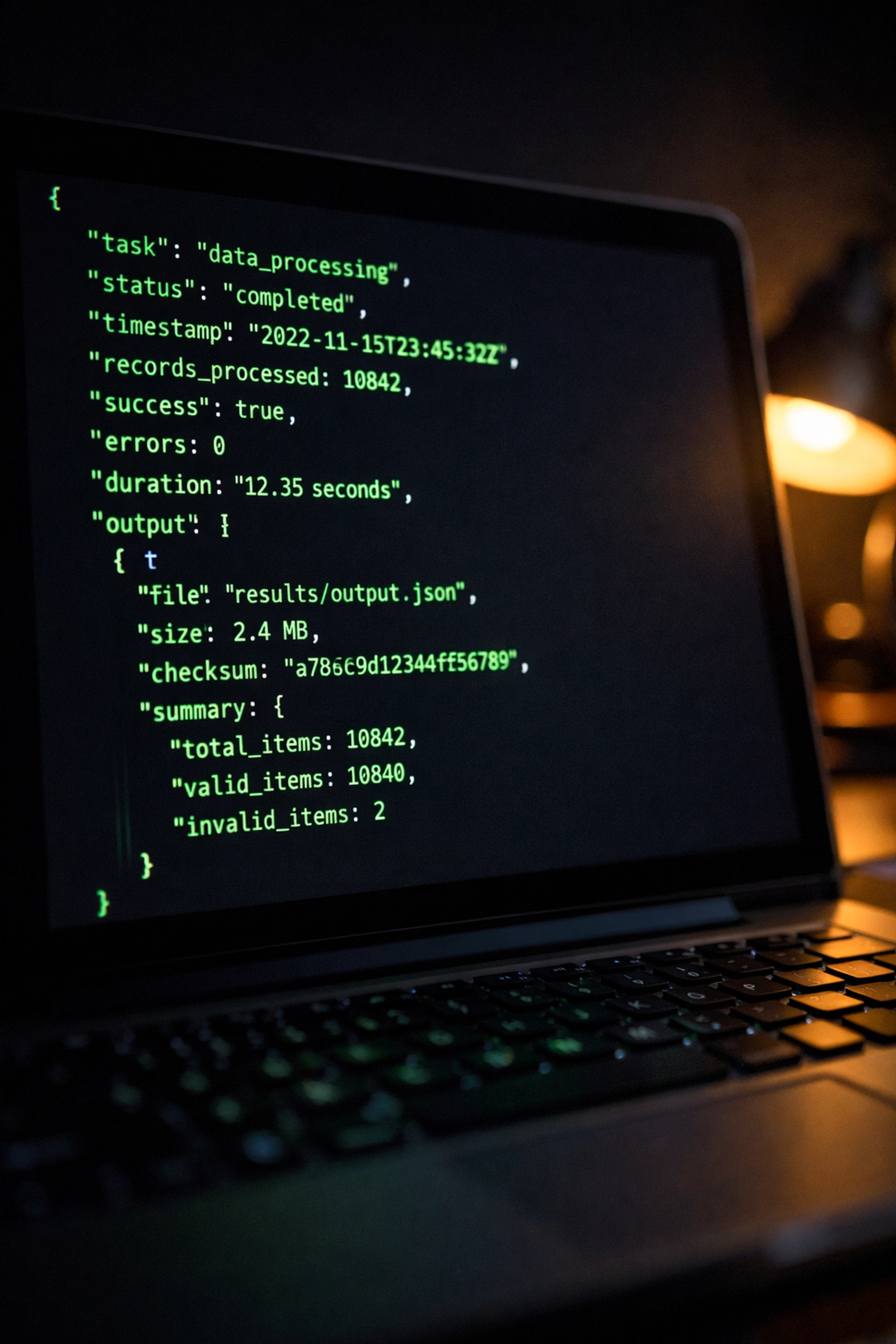
For seed-stage founders, this changes the entire equation. You don't need to hire an $80K SDR and wait 90 days for ramp. You don't need to outsource to a lead gen agency that burns your domain and delivers garbage meetings. And you definitely don't need to spend your weekends manually researching prospects.
Instead, you get the output of a research-first SDR, personalized, relevant outreach, without the cost or management overhead. The AI handles the volume. You handle the strategy and the final approval before anything sends.
This model works because it solves the core tension in early-stage outbound: you need both volume and quality, but you can't afford to hire enough humans to deliver both. AI gives you the volume. Human oversight gives you the quality. Together, you get what used to require a team of three SDRs.
"But AI Emails Feel Cold"
You're thinking it. Everyone does. AI-generated emails are robotic, generic, and instantly recognizable. Prospects can smell automation a mile away.
That was true in 2022. It's not true anymore.
The difference is the research layer. If AI is just swapping variables into templates, yes, it's obvious and it doesn't work. But if AI is analyzing 15 data points per prospect, identifying specific pain points, and drafting messaging that references real context, the output is indistinguishable from what a great SDR would write.
Here's the test: would you respond to this email if it showed up in your inbox? If the answer is no, the problem isn't that it's AI-generated. The problem is that it's not personalized enough: which is the same problem bad human SDRs have.
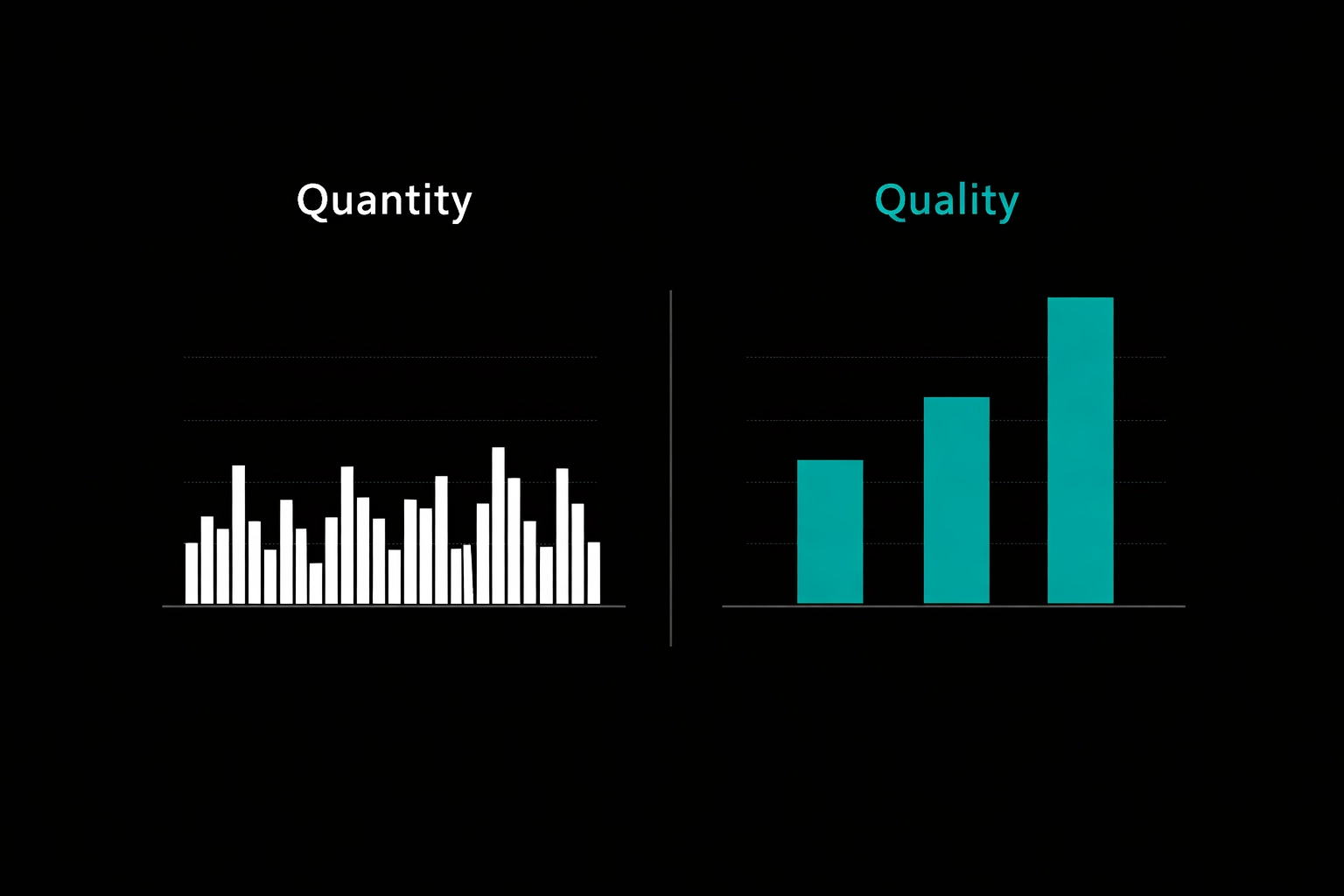
The objection about AI being "too cold" usually comes from one of two places. Either you've seen bad AI tools that just automate spam, or you're attached to the idea that outbound has to be 100% human to work.
Both are myths. Bad outbound is bad outbound, whether a human or a bot sends it. Good outbound is research-first, context-aware, and relevant: and AI can deliver that at scale if it's built right.
The key is the human-in-the-loop model. You're not letting AI send emails on autopilot. You're approving every message before it goes out. You're controlling the strategy, the tone, and the final messaging. AI is the research assistant and the writer. You're the editor and the closer.
That's not cold. That's efficient.
What This Means for Your Startup
If you're trying to build pipeline at seed stage, you're stuck between three bad options: hire an SDR you can't afford, outsource to an agency that doesn't care about your brand, or do it yourself and burn out.
The sales development rep for startup growth doesn't look like it did five years ago. It's not a junior hire making cold calls. It's a research-driven, AI-enabled system that gives you the output of a senior SDR without the cost, the ramp time, or the management overhead.
You still need to understand your ICP. You still need to write positioning that resonates. You still need to approve the outreach and handle the conversations once prospects reply. But the research, the personalization, and the volume: that's where AI steps in.
The SDR role evolved because the old model stopped working. Volume doesn't beat personalization. Templates don't beat research. And for founders who can't justify six-figure hires before they've proven product-market fit, AI is the only path to research-first outbound at scale.
That's not the future. That's what works today. The question is whether you're still trying to hire your way out of the problem: or whether you're ready to build outbound differently.
If you want to see what research-first, AI-driven outbound actually looks like for early-stage startups, check out Ramen. You bring your own API keys, approve every email before it sends, and skip the $80K SDR hire until you've actually proven the pipeline math works.