
You're eight months into building your product. Burn rate is climbing. Your investor update shows decent product traction but zero pipeline. You can't afford the $80-120K loaded cost of a full-time SDR who'll take three months to ramp. So you do what every founder does: you Google "freelance SDR."
The listings promise results without the commitment. Pay for performance. No ramp time. Experienced reps who've "done this before." It sounds perfect. But here's the question nobody asks before signing: can a freelance SDR actually scale your pipeline, or are you just buying yourself a few extra leads while the real problems compound?
Let's get specific about what works, what breaks, and when you're just postponing the inevitable.
The Freelance SDR Promise vs. Reality
The pitch is compelling. You get someone who's worked across multiple industries, knows the outbound playbook, and costs a fraction of a full-time hire. They hit the ground running because they've already built their own systems. You pay for results, not hours.
Here's what actually happens.
Month one looks great. Your freelance SDR sends 500 emails, books 8 meetings, and suddenly you have something to report in your investor update. The cost per meeting is reasonable. You feel smart for avoiding the full-time hire.
Month two shows cracks. Four of those eight meetings were bad fits: companies too small, wrong vertical, or just tire-kickers. The SDR is responsive but not proactive. You realize you're spending 5-7 hours per week giving feedback, reviewing messaging, and course-correcting their targeting.
Month three is decision time. The SDR has other clients ramping up. Response time slows. They're still hitting their contract minimums but the quality is slipping. You're back to doing Sunday night email sessions because you can't trust the pipeline they're building.
This isn't a story about bad freelancers. It's about structural limitations that no amount of talent can overcome.

Why Freelance SDRs Hit a Ceiling Fast
The core issue is misaligned incentives wrapped in availability constraints.
They're optimizing for their business, not yours. A freelance SDR running a sustainable practice needs 3-5 clients minimum to hit their revenue targets. That means your urgent deal never gets priority over another client's paying engagement. When you need them to double down on a campaign that's working, they're already committed elsewhere.
Brand alignment is functionally impossible. Your product positioning matters. The difference between "we help sales teams automate outreach" and "we help founders do outbound without hiring" completely changes who responds and why. A freelancer juggling five clients can't internalize that nuance for each one. They default to generic messaging that technically checks boxes but doesn't convert.
Feedback loops break down. Effective outbound requires constant iteration. You test subject lines, adjust ICP, refine value props based on reply sentiment. With a freelance SDR, that feedback cycle runs through email and scheduled calls instead of real-time collaboration. By the time you identify what's not working, they've already sent 200 emails with the wrong angle.
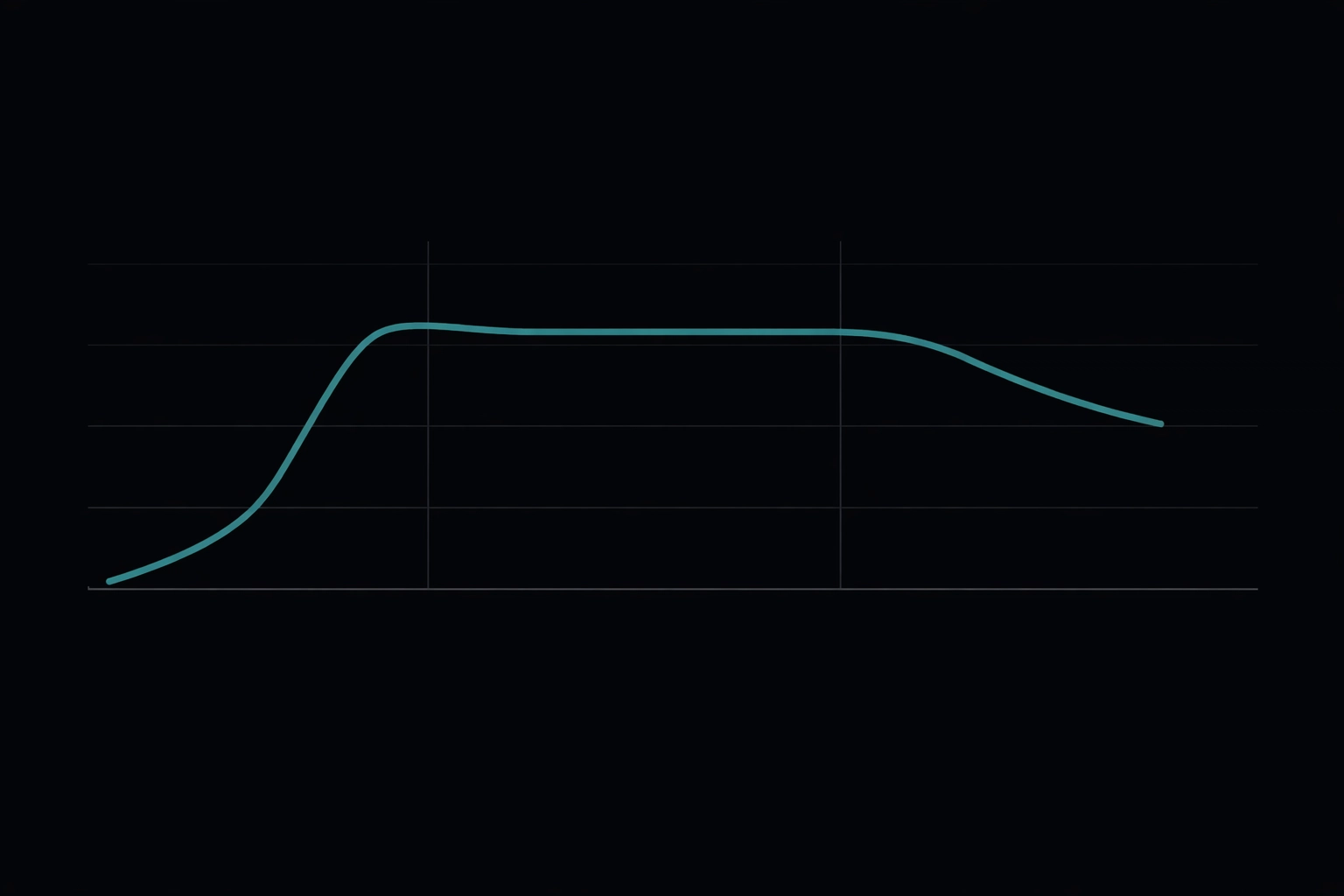
The data bears this out. Most freelance SDR arrangements see strong performance in weeks 2-4, then plateau or decline. Not because the person isn't capable, but because the structural constraints make sustained improvement nearly impossible.
When Freelance SDRs Actually Work
This isn't a blanket "never hire freelancers" argument. There are specific scenarios where it makes sense.
You have a proven playbook and need execution capacity. If you've already validated your outbound motion: you know your ICP, your messaging converts, your offer is dialed in: a freelance SDR can execute that playbook profitably. You're not asking them to figure anything out, just run the plays you've already tested.
You're testing a new market segment. Before you commit to building an entire sales team around a hypothesis, a freelance SDR can validate whether your product resonates with a new vertical or company size. The risk is contained, the learning is valuable, and you're not making permanent infrastructure decisions based on incomplete data.
You need a short-term spike for a specific campaign. Product launch. Conference follow-up. Reactivation campaign. Defined scope, clear timeline, measurable outcome. This is where freelance capacity shines.
Notice what all three scenarios have in common: you're not asking the freelancer to build or scale a repeatable pipeline. You're asking them to execute a specific, time-bound project with clear parameters.
The problems start when founders hire freelance SDRs hoping they'll solve the fundamental challenge of building sustainable pipeline. They won't. They can't.
The Math That Matters
Let's run actual numbers because vague promises don't help anyone.
A competent freelance SDR charges $3,000-6,000 per month for part-time work (roughly 15-20 hours per week). At the lower end, you're paying $200 per hour of actual work. At the higher end, $300+.
For that investment, expect:
- 400-600 emails sent per month (if they're being thorough about targeting)
- 2-3% reply rate if messaging is decent
- 8-18 replies worth following up on
- 3-6 meetings booked if qualification is tight
- 1-2 opportunities that might actually close
That's $500-1,000 per booked meeting. Not absurd, but only valuable if those meetings are actually qualified and you have the capacity to work them properly.
Now factor in your time. Conservative estimate: 5 hours per week managing the relationship, reviewing performance, giving feedback, course-correcting. That's 20 hours per month of founder time. If you value your time at even $200/hour (you should value it higher), that's another $4,000 in hidden cost.
All-in cost per meeting: $1,200-1,800 when you include your management overhead.
Compare that to the founder who spends those same 20 hours doing their own outbound with proper tooling. They send fewer emails, but every single one is informed by deep product knowledge and genuine belief in what they're building. Reply rates are typically 2-3x higher because authenticity shows through.
What Actually Scales Pipeline
If freelance SDRs hit a ceiling and full-time hires are too expensive too early, what's the path forward?
Founder-led outbound until you have repeatable process. Nobody knows your product, your customers, or your value prop better than you. The first 50 customer conversations should be yours. You'll learn things no SDR: freelance or full-time: could discover on your behalf.
Systems that don't require constant human oversight. The problem with traditional outbound isn't the sending: it's the research, personalization, and constant iteration required to keep reply rates above 2%. Technology that handles the research while keeping you in control of the message solves for both quality and scale.
Human judgment at the decision points that matter. You shouldn't be manually researching 100 prospects per day. You also shouldn't be sending AI-generated emails without review. The right model is research automation + human approval before send. You get the time savings without the quality sacrifice.
This is why Ramen exists. It does the deep research on every prospect: analyzing their company, recent activity, potential pain points: then drafts personalized emails for you to review and approve. You're not managing a freelancer. You're not hoping an AI isn't embarrassing you. You're doing founder-led outbound at a pace that would require a team.
It's the control of doing it yourself with the capacity of having help. No contracts. No management overhead. No wondering if your messaging is landing while you're three clients down on someone's priority list.
The Real Question
Before you hire a freelance SDR, ask yourself: are you trying to solve a capacity problem or a knowledge problem?
If you know exactly what works and just need more hands to execute, freelance might fit. If you're still figuring out your ICP, testing messaging, or iterating on your value prop: which describes 90% of pre-seed and seed companies: you need a different approach.
Pipeline doesn't scale from outsourcing the hard parts. It scales from doing the hard parts efficiently enough that you can sustain them.
Ready to build pipeline without hiring? See how Ramen helps founders do outbound without sacrificing their Sundays or their brand.