
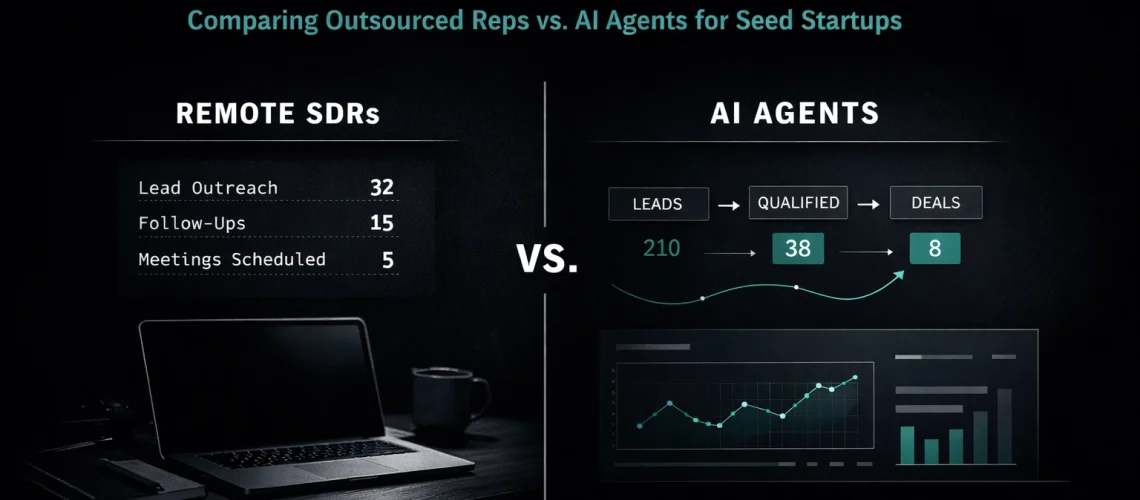
You're three months post-launch. Pipeline is thin. You're doing founder-led sales between product builds and investor updates. Your co-founder suggested hiring a remote SDR: someone offshore, cheaper than a US hire, dedicated to outbound.
It sounds reasonable until you realize you're about to add "SDR manager" to your already impossible list of responsibilities. Suddenly you're reviewing call recordings at 11 PM, writing email templates, explaining your ICP for the fifth time, and wondering why the person you hired to save you time is creating more work.
The remote SDR looks like a solution. In practice, it's often just outsourcing the symptom while keeping the disease.
The Remote SDR Reality: What You're Actually Signing Up For
A remote SDR isn't plug-and-play. You're not hiring an experienced rep who understands your space and can run autonomously. You're hiring someone who needs training, context, feedback, and constant course correction.
Here's the actual cost breakdown most founders miss:
$2,000–$4,000/month for the remote SDR salary (Philippines, Latin America, or Eastern Europe rates)
15–20 hours/week of your time for the first two months ramping them up
Another 5–10 hours/week ongoing for review, coaching, and fixing mistakes
Tools and infrastructure: CRM, email sending platform, data enrichment, dialers: add $200–$500/month
Lost opportunity cost: every hour spent managing is an hour not building product or closing deals yourself

The pitch is always "hire cheap talent, scale fast." The reality is you've just hired a junior employee in a different time zone who needs as much oversight as a local hire: but with added communication lag and cultural context gaps.
And here's the part nobody mentions: remote SDRs have high turnover. You finally get someone trained, they start performing, then they bounce to another gig or ghost entirely. Now you're back to square one, rewriting onboarding docs at midnight.
The Outsourced Rep Trap: Agencies That Optimize for Their Margin, Not Your Pipeline
Maybe the remote SDR hire feels too risky. So you look at agencies or freelance SDR platforms. "We'll handle everything" sounds compelling when you're drowning.
The model is simple: pay $3,000–$8,000/month, they assign reps to your account, and meetings start flowing. Except they don't. Or they do, but they're junk.
Here's why outsourced reps rarely work for seed-stage startups:
Shared attention: Your account is one of 8–10 they're working. You get 10 hours/week max. That's 2 hours per day of actual prospecting effort.
Generic playbooks: Agencies run what works across their portfolio. Your nuanced positioning? Your specific buyer pain? It gets flattened into "we help companies like yours save time and money."
No skin in the game: They're paid whether meetings convert or not. Their incentive is volume (more accounts per rep) not quality (better fit meetings for you).
You're still managing: Despite the promise of "done for you," you're still on calls explaining your ICP, reviewing messaging, and dealing with low-quality meetings that waste your sales time.
Agencies optimize for their own unit economics, not your pipeline. They need to squeeze as many clients as possible per rep to hit their margins. You're subsidizing their model while getting fractional effort.
The AI Agent Alternative: Less Overhead, More Control
This is where the conversation gets interesting. AI SDRs aren't trying to replace human judgment: they're trying to remove the repetitive, time-intensive parts that eat your day.
Here's what that actually looks like:
No management overhead: You're not onboarding someone. You're not doing weekly 1-on-1s. You're not writing performance reviews. You configure the system once, and it runs.
Deep research at scale: AI agents can research 100 prospects/day and personalize outreach based on recent activity, company news, and role-specific pain points. A remote SDR is doing 20–30 if they're good.
Human-in-the-loop: You approve emails before they send. It's not set-and-forget automation: it's assisted outbound where you maintain quality control without doing the grunt work.
Cost transparency: With a bring-your-own-key model, you're paying for actual API usage, not bloated SaaS fees or loaded salaries. You know exactly what you're spending per email sent or prospect researched.
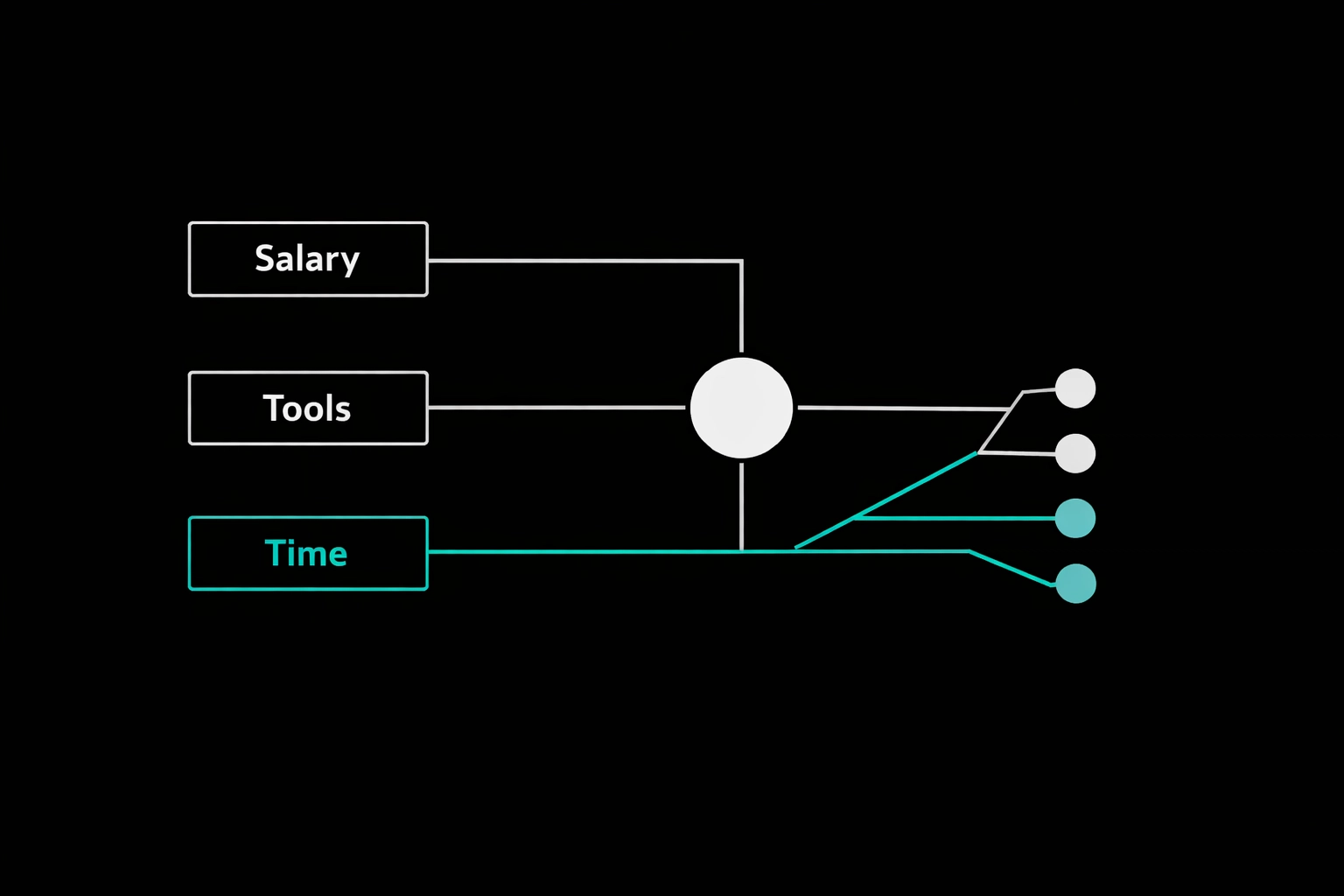
The comparison isn't "should I replace my SDR with AI?" It's "do I want to spend 20 hours/week managing a person, or 2 hours/week reviewing AI output?"
For founders at the seed stage: where time is the scarcest resource: that math matters.
"But What About Research Quality?"
This is the objection that stops most founders from trying AI outbound. They've seen the spam. They've gotten the terrible AI-generated emails that clearly didn't research anything.
Fair concern. Here's the reality:
Bad AI outbound exists because it's built for volume: Most AI sales tools are designed for enterprises running massive campaigns. They optimize for speed, not relevance. That's not the model that works for early-stage founders.
Deep research requires prompting and constraints: An AI agent that's told "research this prospect and write an email" will produce garbage. An AI agent given specific instructions: "find their recent LinkedIn posts, identify pain points related to X, reference specific company initiatives": produces relevant outreach.
You're still the quality filter: The best AI SDR setups put you in the approval loop. Every email gets reviewed before it goes out. If the research is weak, you catch it. If the angle is wrong, you adjust it. You're not blindly automating: you're augmenting your own effort.
Compare this to a remote SDR: they're also researching and writing emails. You're also reviewing their work (if you're doing it right). The difference is the AI doesn't need you to explain your ICP seven times or coach them through objection handling.
The question isn't whether AI can do perfect research. The question is whether it can do research that's good enough to start a conversation: and whether that's more efficient than managing a human doing the same task.
What Actually Works for Seed-Stage Teams
If you're pre-seed or seed, here's the honest assessment:
Hire a remote SDR if: You have 15+ hours/week to dedicate to management, you've already dialed in your messaging, and you need someone to execute a proven playbook. This works when outbound is a known system you're scaling, not something you're still figuring out.
Use an agency if: You have budget to burn and you're optimizing for learning (seeing what messaging works across different segments). Treat it like paid customer discovery, not pipeline generation. Expect 6–8 weeks before you see results, and don't expect those results to be spectacular.
Use AI agents if: You're doing founder-led sales and need to 3x your outbound volume without hiring. You want to maintain control over messaging and quality while offloading research and drafting. You'd rather spend 2 hours reviewing emails than 20 hours managing people.
The reality most founders face: you can't afford to hire a great SDR, and you can't afford to waste time managing a mediocre one. AI isn't perfect, but it removes the management tax that kills early-stage velocity.
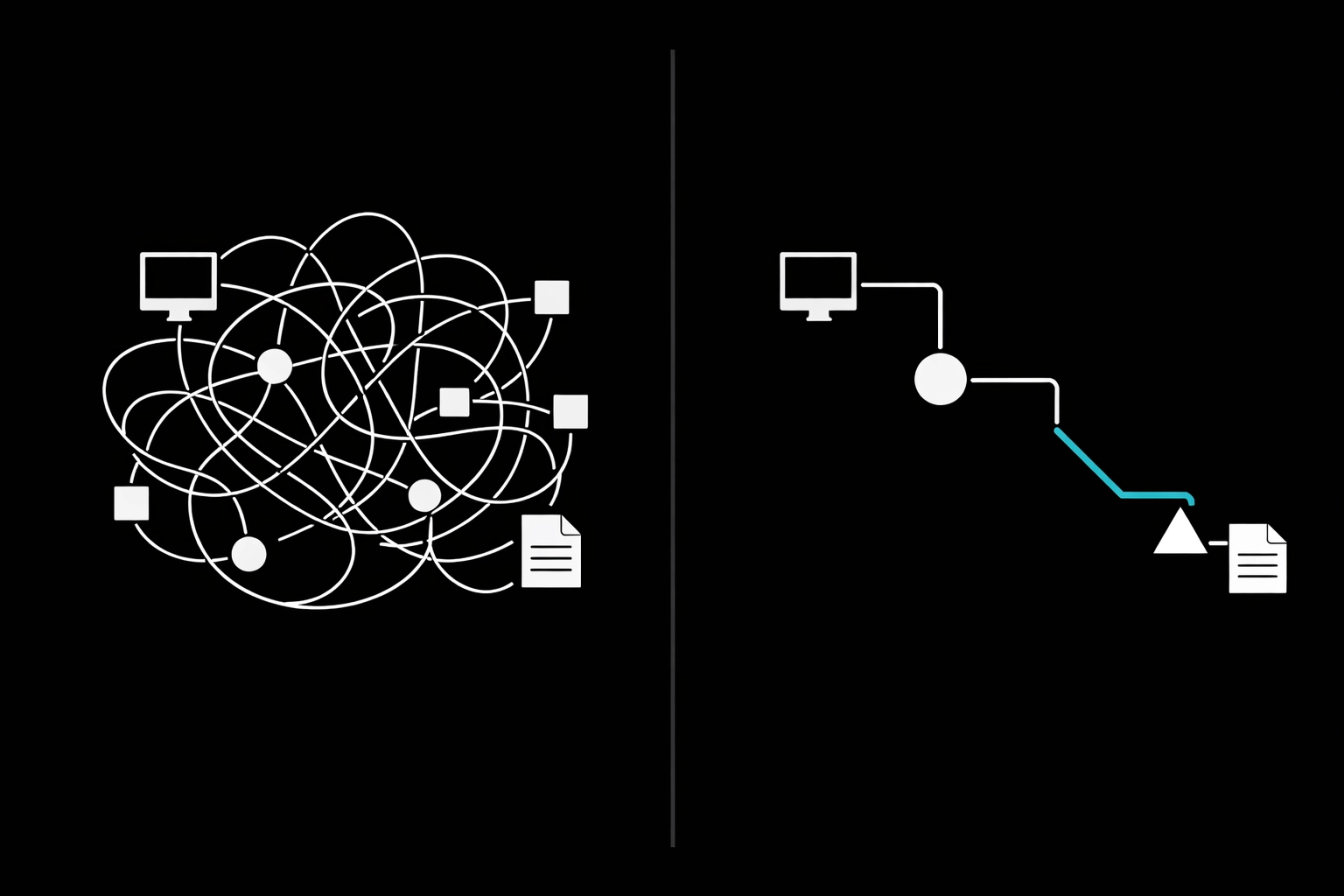
The Real Trade-Off Isn't Human vs. AI: It's Time vs. Control
Every founder wants the same thing: qualified meetings without burning their Sundays on outbound.
Remote SDRs promise that, but deliver management overhead. Agencies promise that, but deliver generic execution. AI agents promise that, but require you to trust the system.
The question isn't which is "better." The question is: what can you actually sustain right now?
If you have budget and bandwidth to manage someone, a remote SDR can work. If you have neither: which describes most seed-stage founders: AI outbound gives you leverage without the overhead.
You're not looking for the perfect solution. You're looking for the one that doesn't add another full-time job to your plate while you're trying to build a company.
If managing a remote SDR sounds exhausting and agencies feel like a black box, see how Ramen works. It's AI-powered outbound that keeps you in control: you approve every email before it sends, but you're not spending 20 hours/week writing them yourself.