
You're three months from your pitch deck being finished. Your product has traction. A few paying customers. Maybe some early revenue. And you know exactly what VCs are going to ask: "How does this scale?"
Here's the problem: you can't answer that question honestly if your sales motion is you, manually sending 50 emails on Sunday nights while your coffee gets cold.
And you definitely can't answer it if your plan is "we'll hire SDRs after we raise." Because investors aren't funding your hiring plan. They're funding proof that your go-to-market works before you add headcount.
This is why the smartest founders are implementing AI SDRs 60-90 days before they start fundraising. Not after. Before.
The Burn Rate Story Investors Actually Care About
Let's talk numbers. A decent SDR costs $80-120K loaded. That includes salary, benefits, tools, manager time, and the three months it takes them to ramp. If you're pre-seed or early seed, that's 6-12 months of runway on one hire who might not work out.
Investors hate that story. They want to see capital efficiency. They want to know that when you scale revenue, you're not scaling headcount 1:1.
An AI SDR costs a fraction of that. We're talking a few hundred dollars a month in software and API costs versus six figures in payroll. That difference shows up directly in your burn rate: and investors notice. They're looking at how long your capital lasts and whether you're spending it on things that compound or things that just cost more as you grow.
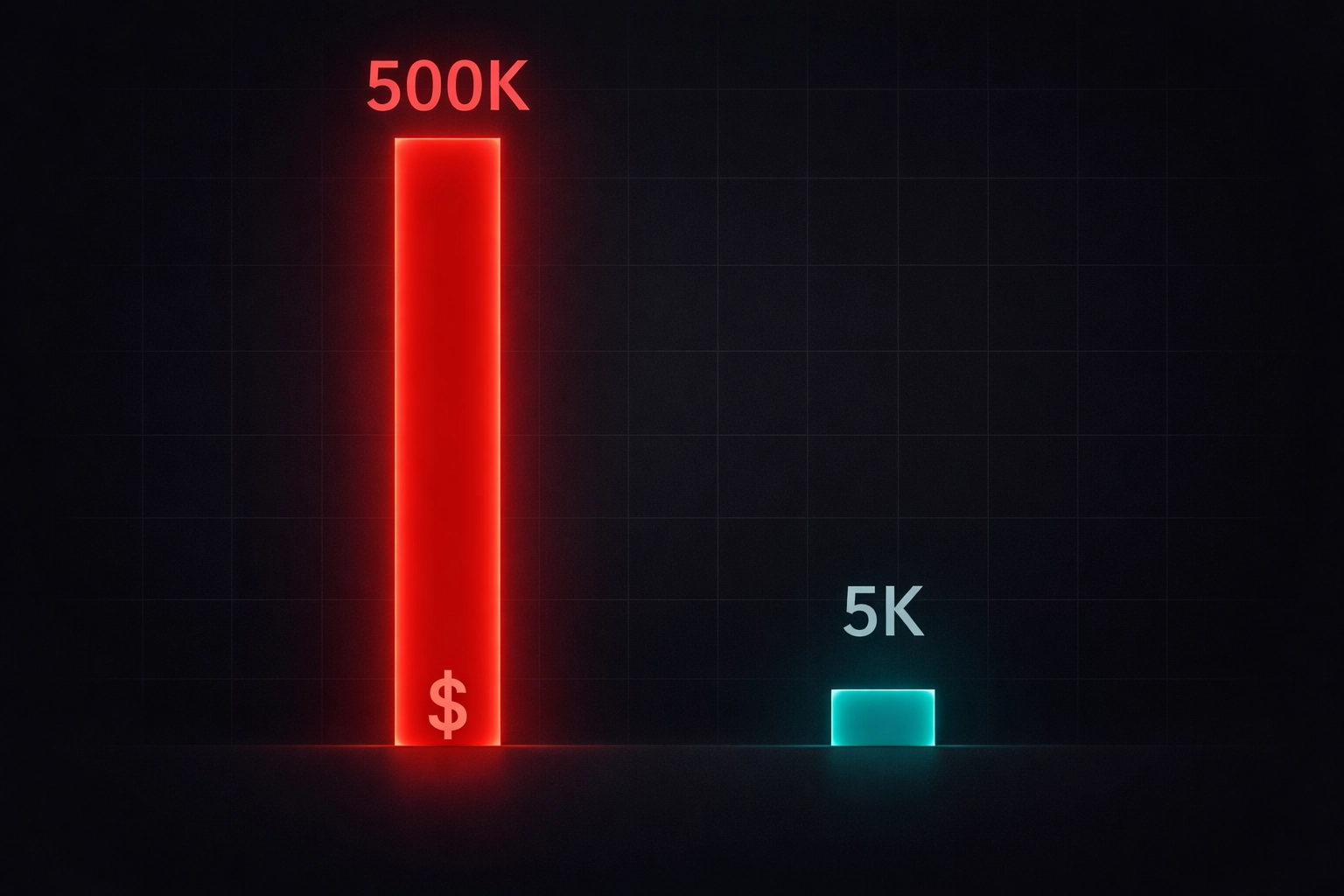
The narrative shift is everything. "We're hiring three SDRs to scale" sounds expensive and risky. "We're using AI to generate pipeline while staying lean" sounds like you understand how to deploy capital.
Revenue Scalability Is a Technology Story Now
Here's what investors want to hear in 2026: your revenue scales with software, not just warm bodies.
When your pitch deck shows pipeline growth driven by automation and AI, it tells a completely different story than "we'll hire more salespeople." One suggests leverage and margins. The other suggests linear growth and ballooning payroll.
AI SDRs let you reach thousands of prospects simultaneously while keeping messages personalized and on-brand. That's the definition of scalable revenue generation. Teams using AI SDRs typically see a 2-3x increase in qualified meetings booked while cutting administrative work by 40-60%. Those aren't vanity metrics: they're proof points that your sales motion works without throwing humans at it.
And here's the thing: you need those proof points before you walk into a pitch meeting. Saying "we plan to implement AI" is worth nothing. Showing "we generated 47 qualified demos last month with one founder and an AI SDR" is worth everything.
The Operational Metrics That Actually Impress
Investors aren't just looking at revenue. They're evaluating whether you run a tight operation. Whether your CRM is clean. Whether leads get followed up. Whether your team can execute consistently.
AI SDRs solve the operational chaos that kills early-stage credibility:
Lead response time drops to seconds. Not hours or days while you're in back-to-back product meetings. Seconds. That alone changes conversion rates: and investors know it.
Your CRM stays clean. Every interaction gets logged automatically. No more "I think I emailed them?" or trying to reconstruct pipeline from memory during due diligence.
Consistency becomes automatic. Every message follows your brand guidelines. Every follow-up happens on schedule. You're not winging it based on how much coffee you've had.
Coverage is 24/7. Leads come in from different time zones. Investors in London. Potential customers in San Francisco. Your AI SDR doesn't sleep, doesn't take weekends off, and doesn't ghost prospects because you were deep in a product sprint.
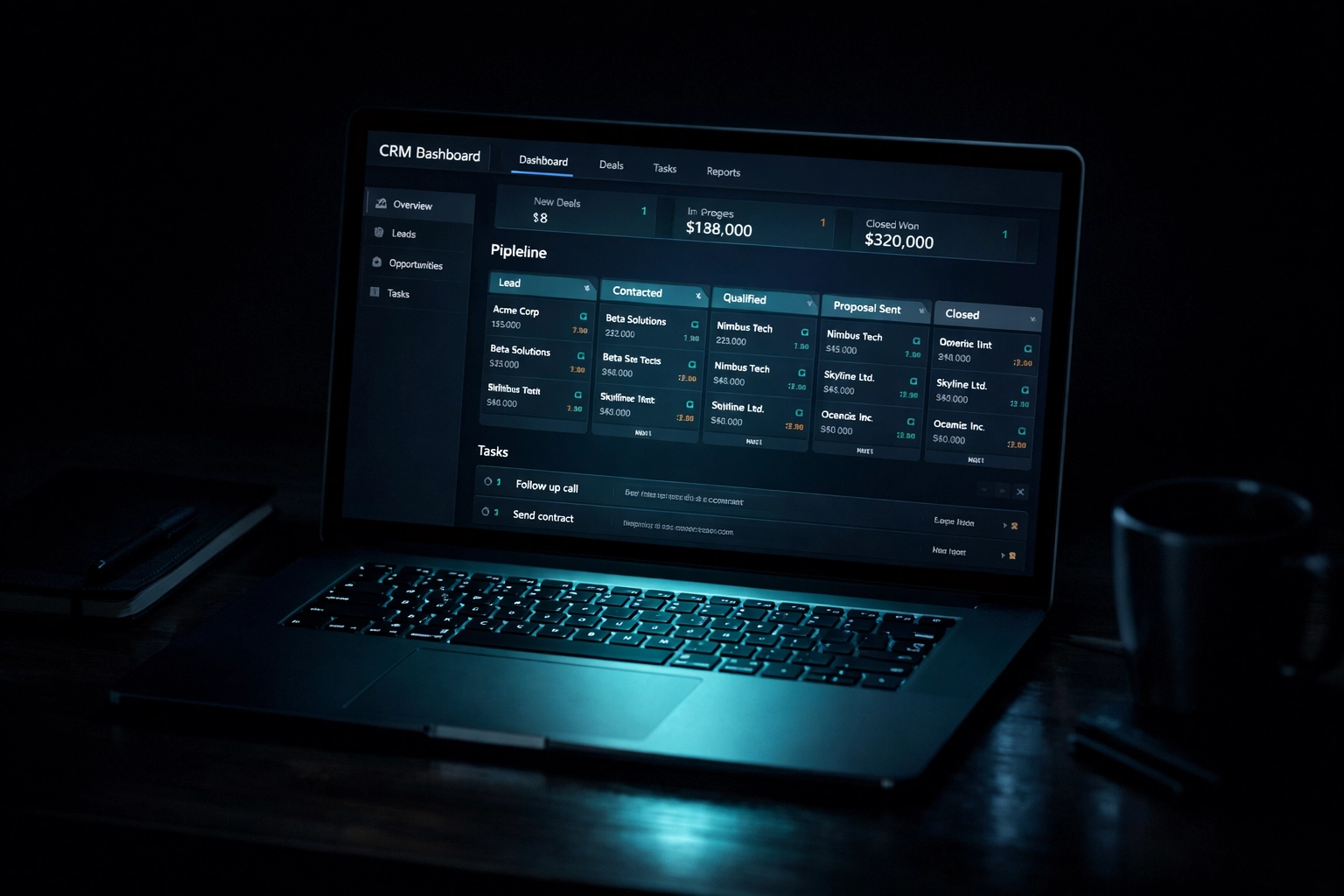
This operational rigor matters more than founders realize. When an investor starts digging into your metrics during due diligence, messy data and inconsistent process become red flags. AI SDRs eliminate that risk before it becomes a problem.
The Competitive Story You Need to Tell
Here's a reality early-stage founders face: you're competing against companies with full sales teams and Series A budgets. They have five SDRs. A sales manager. A RevOps person. You have yourself and maybe a co-founder who's mostly focused on product.
AI SDRs level that playing field. Not in a "fake it till you make it" way: in a "we're operationally efficient" way. You're booking the same number of demos as a company with 3x your headcount. That's a competitive advantage, and it's one investors understand.
The pitch writes itself: "Despite being a lean team, we're generating qualified pipeline at rates comparable to companies with full SDR teams. We're doing it through intelligent automation, not by burning capital on early hires."
That's the kind of efficiency story that makes investors lean in.
Timing Matters More Than You Think
Here's why 60-90 days pre-fundraise is the magic window: you need real performance data to show investors. Not projections. Not "we just set this up last week." Actual results.
Three months gives you time to:
- Dial in your messaging and targeting
- Generate enough meetings to show consistent performance
- Build a pipeline that demonstrates momentum
- Refine your ICP based on what actually converts
When you walk into a pitch with three months of solid data: reply rates, meeting booking rates, pipeline generated: you're not selling a vision. You're showing execution. And execution is what gets funded.

The alternative is scrambling to explain why you don't have pipeline, or worse, trying to manually generate enough activity to look credible while also finishing your deck, doing customer calls, and actually building product. That's the Sunday night email session trap that burns out founders before they even get to the pitch.
What This Actually Looks Like in Practice
Let's get specific. You're 90 days from your first investor meetings. Here's what implementing an AI SDR before fundraising actually looks like:
Week 1-2: You set up your AI SDR, connect your tools, and define your ICP. You're not hiring. You're not onboarding a human who needs three weeks of training. You're configuring software.
Week 3-6: You start sending. Messages go out. Replies come in. You're approving emails, reviewing what's working, and adjusting targeting. You're in the loop: this isn't set-it-and-forget-it: but you're not manually writing 200 personalized emails either.
Week 7-12: Data starts compounding. You've booked 20-30 demos. You've learned which messaging resonates. You've refined your ICP based on who actually responds. Your pipeline is real, and you have metrics to show.
By the time you're pitching, you're not saying "we're going to build a sales motion." You're saying "here's the sales motion that's already working."
That's the difference between a founder who's hoping to raise and a founder who's demonstrating traction.
The Real Competitive Edge
The founders who implement AI SDRs before fundraising aren't just solving a pipeline problem. They're solving a narrative problem.
Investors see hundreds of decks. Most of them say some version of "we'll hire salespeople after we raise." That's not differentiated. That's not capital efficient. And it doesn't prove you can scale.
The founders who show up with automated, repeatable pipeline generation are telling a different story. They're showing they understand leverage. They're proving their go-to-market works before adding expensive headcount. They're demonstrating operational maturity.
And they're doing it all while keeping their burn rate low enough to survive if fundraising takes longer than expected.
If you're 60-90 days from fundraising and your sales motion is still manual, you're walking into pitch meetings without one of the strongest proof points you could have. Ramen is built for exactly this moment: founders who need to generate real pipeline without the cost or complexity of hiring an SDR. See how it works.