
You've hit that point where you can't do everything yourself anymore. Product needs attention. Investors want updates. Your calendar is drowning in discovery calls that should've been filtered three steps earlier.
So you're thinking about hiring your first SDR. Smart move, except it's also expensive, time-consuming, and full of landmines if you don't know what you're walking into.
Here are 10 things you need to know before you post that job listing or sign that contract.
1. SDRs Don't Close Deals, And That's the Point
Your SDR isn't there to bring revenue through the door. They're there to identify, qualify, and tee up opportunities for someone else to close. If you're expecting your SDR to own the full sales cycle, you're setting yourself up for disappointment.
Their job is top-of-funnel: cold outreach, initial qualification, booking meetings for your closers (probably you, if you're early-stage). They're the filter that keeps unqualified leads out of your calendar and makes sure the ones that get through are actually worth your time.
2. Expect 50 to 100 Daily Activities, Minimum
A productive SDR isn't sending five personalized emails a day and calling it done. They're running 50 to 100 prospecting activities daily: cold calls, emails, LinkedIn messages, follow-ups, exploratory conversations.

That volume isn't about spam, it's about reaching enough people in your target market to generate consistent pipeline. If your SDR isn't hitting those numbers, either they're underperforming or your process needs work.
3. The Real Output Is Meetings, Not Activity
Activity is how you measure effort. Meetings are how you measure results.
A solid SDR generates 15 to 30 qualified or accepted meetings per quarter. That's the benchmark. If you're not tracking this metric, you have no idea if your SDR investment is working.
And here's the thing: those meetings need to be qualified. If your SDR is booking calls with anyone who has a pulse, you'll burn through your time and realize three months in that nothing is closing.
4. They Need to Own Multiple Channels
Email-only SDRs are leaving half the pipeline on the table. Your ideal candidate should be comfortable with:
- Cold email sequences
- Phone outreach (yes, people still answer calls)
- LinkedIn and social selling
- Follow-up cadences across all three
Each channel reaches different prospects. Some people respond to emails. Others need a call. Some will ignore both but engage on LinkedIn. Your SDR needs to meet prospects where they are, not where it's easiest.

5. CRM Discipline Is Non-Negotiable
If your SDR isn't logging every call, email, and meeting in your CRM, your pipeline data is fiction.
You need accurate activity tracking to know what's working. You need clean records to forecast. You need notes on every conversation so the next person (probably you) isn't starting from scratch when they hop on that demo call.
Hire someone who treats CRM hygiene like part of the job, not a chore. Because if they don't, you'll spend your evenings cleaning up data instead of closing deals.
6. The Skills That Actually Matter
Forget the corporate job descriptions. Here's what you actually need:
Strong communication. Can they explain your value prop without sounding like a robot? Can they handle objections without melting down?
Research ability. Are they willing to dig into a prospect's LinkedIn, company news, and pain points before hitting send?
Resilience. SDRs hear "no" 50 times a day. Can they take rejection and keep going?
Time management. Can they juggle multiple sequences, follow-ups, and meetings without dropping balls?
If they can't do those four things, the rest doesn't matter.
7. They're Your Product-Market Fit Radar
Here's a bonus most founders miss: your SDR is having dozens of conversations with your target market every week. They're hearing objections you've never encountered. They're finding use cases you didn't think of. They're learning which messaging lands and which falls flat.
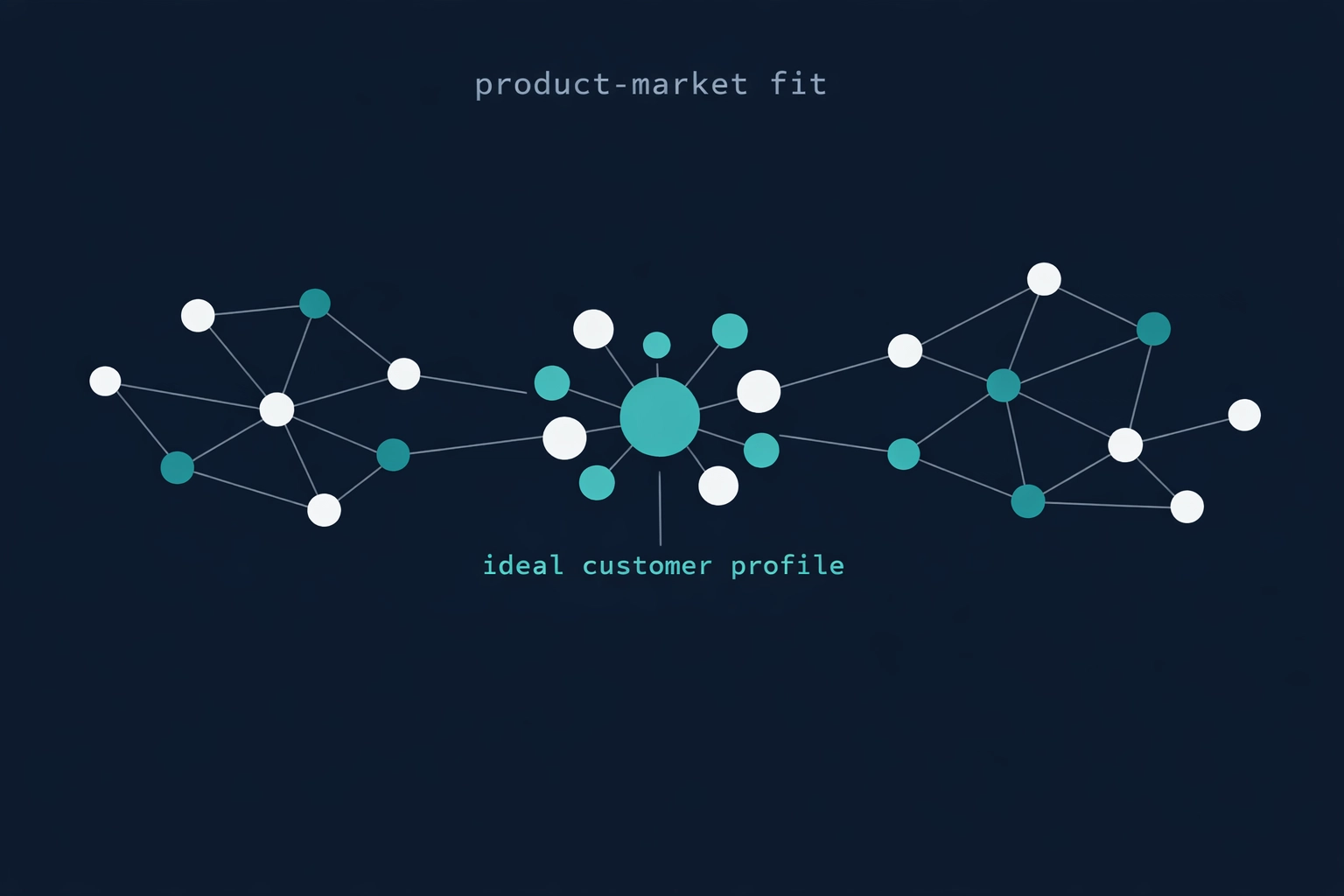
If you're pre-seed or seed stage, this feedback is gold. Your SDR can tell you if your ICP is actually who you think it is, or if you need to pivot before you waste six months chasing the wrong market.
8. Early SDRs Can Wear Multiple Hats
At a later-stage company, SDRs prospect. That's it.
But at an early-stage startup, your first SDR might also handle sales ops, CRM setup, sequence optimization, and territory planning. They're part chief-of-staff, part prospector.
That's not a bad thing, it's actually an advantage if you hire someone entrepreneurial. Just make sure they know what they're signing up for. If they're expecting a narrow, well-defined role, they'll quit in three months.
9. The $80K-$120K Loaded Cost Reality
Let's talk money. A decent SDR costs between $80,000 and $120,000 loaded (base + commission + benefits + tools + onboarding time). And that's if you're hiring in a reasonable market and they ramp fast.
Add in three months of ramp time, where they're learning your product, your ICP, your messaging, and you're looking at a six-figure bet before you see ROI.
Can you afford that right now? Do you have enough pipeline already to justify splitting your attention between managing an SDR and closing deals yourself?
If the answer is no, that's okay. You have other options.
10. Timing Is Everything
The right time to hire an SDR is when you have more qualified opportunities than you can handle and your time is better spent closing than prospecting.
If you're still figuring out product-market fit, or you're not consistently closing deals yourself, an SDR won't solve your problems. They'll just expose them faster.
Founders often hire SDRs to create pipeline when what they actually need is better messaging, a clearer ICP, or just more reps. Don't hire to fix a process that doesn't exist yet.
The Alternative Path
Here's the truth: most early-stage founders can't justify an $80K hire who takes three months to ramp, especially when runway is tight and product needs attention.
That's where AI SDRs like Ramen come in. You get the prospecting and qualification work without the loaded cost or ramp time. You approve every email before it sends (so you stay in control), and you bring your own API keys (so you're not locked into markup pricing).
It's not a replacement for human judgment: it's a way to get back your Sundays and focus on the deals that actually matter.
If you're stuck between doing all the outbound yourself and making a six-figure bet on your first SDR, there's a middle path. Check out how Ramen works and see if it fits your stage.